

 Tiếng Việt
As a parent, you always want to provide the best nutrition for your little one. One common question is, “when can babies have juice”—a topic that has seen significant updates based on modern pediatric research. Understanding the right timing and proper approach to introducing juice is crucial for your baby’s healthy development and establishing long-term healthy eating habits. AK FOOD’s comprehensive guide will give you all the essential information on when and how to safely introduce juice, helping you make confident decisions in your child’s nutrition journey.
When Can Babies Have Juice?
The question of when can babies have juice has a clear, evidence-based answer that every parent should understand. Let’s explore the current pediatric recommendations and the science behind them.
Clear pediatrician recommendations on age to start juice (emphasize “no juice before 1 year old”)
The American Academy of Pediatrics (AAP) and leading health experts clearly advise: no juice should be given to babies before 12 months. So, when can a baby have juice? The answer is after their first birthday. This includes all fruit juices, meaning when can babies have apple juice? — even apple juice should be delayed until after 12 months. During the first year, breast milk or formula provides all the hydration and nutrition needed, supporting your baby’s rapid growth. From 6 months, small amounts of plain water can be introduced, but juice is unnecessary and may even be harmful at this stage.

==> Unlocking the secrets of a healthy vegetarian diet
Explanation of the reasons behind this guideline
The recommendation to delay juice introduction until 12 months is based on several important developmental and nutritional factors:
- Nutritional completeness: Breast milk and formula contain the perfect balance of proteins, fats, carbohydrates, vitamins, and minerals that babies need. When can baby have juice becomes relevant only after these primary nutrition sources have done their foundational work.
- Digestive system maturity: A baby’s digestive system is still developing throughout the first year. The concentrated sugars in juice, even natural fruit sugars, can overwhelm their immature digestive capabilities.
- Taste preference development: Early exposure to sweet tastes can influence long-term food preferences. Babies who receive juice early may develop a preference for sweet flavors, making it more challenging to accept vegetables and other less sweet, nutritious foods.
- Stomach capacity considerations: Babies have small stomachs, and filling them with juice means less room for nutrient-dense breast milk, formula, or appropriate solid foods.

==> Pork meatballs in sweet and sour sauce in Vietnamese style
Why Babies Should Avoid Juice Before 1 Year Old
Understanding the risks associated with early juice introduction helps parents appreciate why the “no juice before 12 months” rule exists. These concerns go beyond simple dietary preferences and touch on fundamental health and development issues.
Risks of early juice consumption (digestive issues, excess sugar, tooth decay)
Giving juice too early can cause digestive issues, excess sugar intake, and tooth decay in babies. These risks affect their health and development.
- Digestive complications represent one of the most immediate concerns when babies consume juice too early. The high concentration of natural sugars, particularly fructose, can cause osmotic diarrhea, where the intestines pull water into the bowel, leading to loose, frequent stools. This can result in dehydration and discomfort for your baby.
- Excessive sugar intake occurs even with 100% fruit juices. A typical 4-ounce serving of apple juice contains about 14 grams of sugar, nearly equivalent to the sugar content in some candy. When can a baby have apple juice safely becomes important because even this seemingly mild option carries significant sugar loads for developing systems.
- Dental health risks begin as soon as teeth appear. The natural acids and sugars in juice create an environment that promotes bacterial growth in the mouth, leading to early childhood dental caries. When juice is consumed from bottles or sippy cups throughout the day, teeth are continuously bathed in sugar, significantly increasing cavity risk.
- Nutritional displacement occurs when juice takes up valuable stomach space that should be reserved for more nutritionally complete foods. This can lead to inadequate intake of essential nutrients critical for growth and development.

Medical evidence supporting these warnings
Extensive research supports the current recommendations about when can babies have juice. Studies published in pediatric journals consistently show that early juice introduction correlates with:
- Increased rates of diarrhea and gastrointestinal upset in infants
- Higher incidence of failure to thrive when juice displaces breast milk or formula
- Elevated risk of dental caries in children who received juice before 12 months
- Greater preference for sweet foods and beverages later in childhood

The AAP’s position is backed by decades of research demonstrating that juice offers no nutritional advantages over whole fruits and breast milk or formula for babies under 12 months.
How to Safely Introduce Juice After 1 Year
Once your baby reaches their first birthday, you can begin considering juice introduction – but this doesn’t mean juice becomes a dietary staple. Careful, measured introduction following specific guidelines ensures safety and maintains healthy eating patterns.
Age-appropriate juice introduction steps
Introducing juice safely after 12 months is important for your toddler’s health. Follow these steps to ensure proper timing and serving.
- Step 1: Wait for the right moment – Ensure your toddler is genuinely 12 months or older. Don’t rush this milestone, as those few extra weeks or months allow for continued digestive system maturation.
- Step 2: Choose the right type – Select only 100% pasteurized fruit juice without added sugars, artificial colors, or preservatives. Read labels carefully, as many products marketed as “juice” are actually fruit drinks with minimal actual fruit content.
- Step 3: Start with small quantities – Begin with just 1-2 ounces to assess your toddler’s tolerance. When can a baby have apple juice typically starts with these minimal amounts to gauge individual reactions.

- Step 4: Use appropriate serving methods – Offer juice in an open cup, never in a bottle or sippy cup that allows prolonged sipping. This prevents continuous sugar exposure to teeth and encourages proper drinking habits.
- Step 5: Time it right – Serve juice with meals rather than as a standalone snack. This helps minimize blood sugar spikes and reduces dental exposure to acids and sugars.
==> 10 delicious and easy homemade nutrient soup
Recommended types of juice (100% fruit juice, no added sugars)
The gold standard for toddler juice consumption is 100% pasteurized fruit juice. This means the product contains only fruit juice and nothing else – no added sugars, no high fructose corn syrup, no artificial flavors or colors.
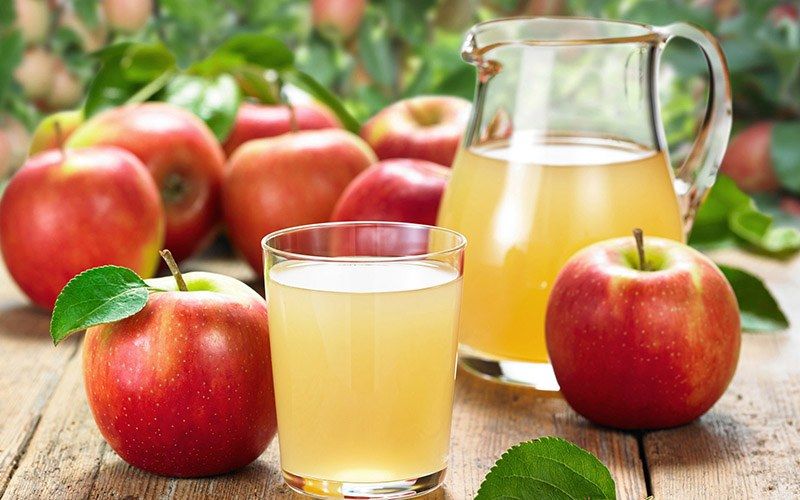
- Apple juice remains the most commonly recommended first juice due to its generally mild nature and good tolerance among most children. When can babies have apple juice safely is at 12 months, starting with heavily diluted versions.
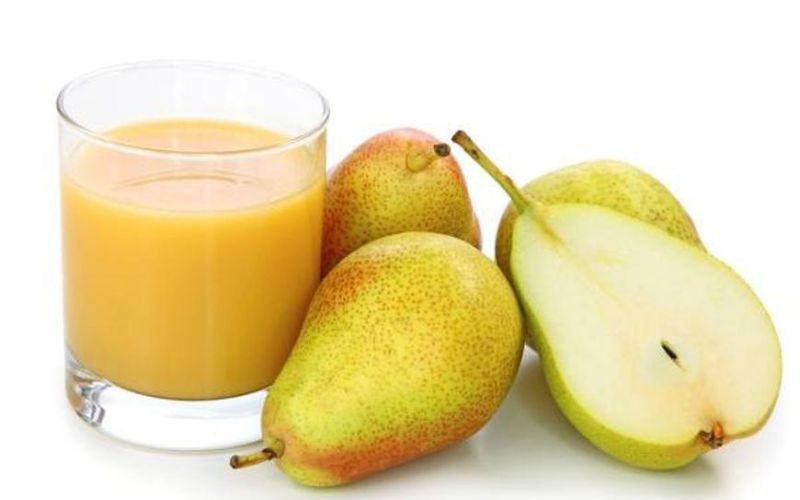
- Pear juice offers another gentle option and may even help with occasional constipation due to its natural sorbitol content. However, this same property means it should be given in very limited quantities to prevent loose stools.
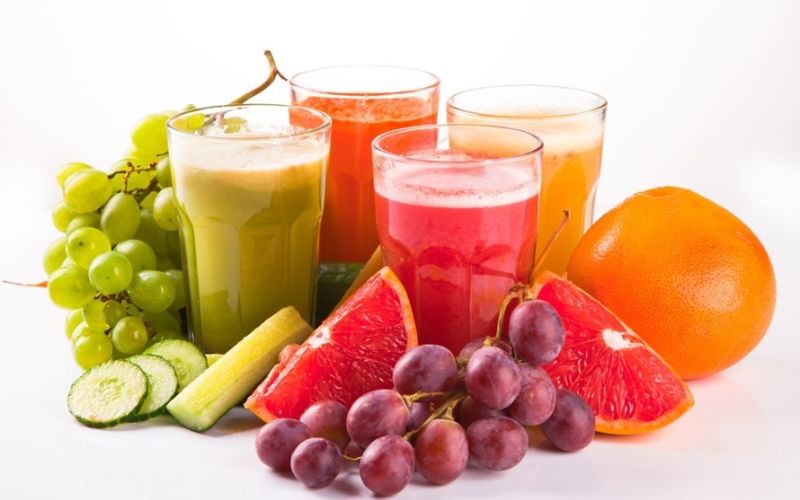
- White grape juice provides a milder alternative to darker grape varieties and is often well-tolerated by young toddlers.
Always verify that any juice you select is pasteurized, as unpasteurized juices can contain harmful bacteria like E. coli or Salmonella, which pose serious risks to young children.
Portion sizes and frequency for toddlers
Strict portion control is essential when introducing juice to toddlers. The AAP provides clear guidelines:
- Ages 1-3 years: Maximum of 4 ounces (1/2 cup) per day
- Ages 4-6 years: Limit to 4-6 ounces per day
- Ages 7+ years: Maximum of 8 ounces (1 cup) per day
These limits might seem restrictive, but they’re based on careful consideration of nutritional needs and potential risks. Remember that juice should count toward daily fruit intake, not be added to it. A toddler who drinks 4 ounces of apple juice has essentially consumed one serving of fruit for the day.
==> When Can Babies Eat Solid Food? A Complete Guide for Parents
Best Juices for Babies
Not all juices are created equal when it comes to toddler consumption. Understanding which options are safest and most appropriate helps parents make informed choices about when can a baby have juice and what types to offer.
Safe juice options (apple, pear, diluted juice)
Choosing safe juice options is key when introducing juice to toddlers. Mild juices like apple and pear, especially when diluted, help reduce sugar intake and digestive risks. Here are some of the best choices for a healthy start.
- Apple juice tops the list of safe options for toddlers over 12 months. Its mild flavor and generally good digestibility make it an excellent first choice. When can a baby have apple juice begins at 12 months, preferably diluted with water initially to reduce sugar concentration.
- Pear juice offers similar benefits to apple juice, with the added advantage of containing natural compounds that may help with constipation. However, this same property requires careful portion control to prevent digestive upset.
- Diluted juice combinations represent perhaps the best approach for initial introduction. Mixing equal parts 100% fruit juice with water reduces sugar concentration while still providing flavor. This approach helps toddlers develop a taste for less intensely sweet beverages.
- White grape juice provides another mild option that’s often well-tolerated. It’s less acidic than citrus juices and generally easier on sensitive stomachs.
When considering when can baby have juice, starting with these milder options and gradually introducing variety helps build acceptance while minimizing digestive risks.
What to avoid (citrus, sugary drinks, concentrates)
Several categories of beverages should be avoided entirely or approached with extreme caution:
- Citrus juices initially – While orange juice is technically 100% fruit juice, its high acidity can cause stomach upset or diaper rash in sensitive toddlers. Save citrus introduction for later in the toddler years.
- Fruit drinks and cocktails – Products labeled as “fruit punch,” “fruit drink,” or “fruit cocktail” typically contain minimal actual fruit juice and are loaded with added sugars and artificial ingredients. These provide no nutritional value and contribute to poor eating habits.
- Unpasteurized juices – Fresh-squeezed or unpasteurized juices may contain harmful bacteria that can cause serious illness in young children. Always choose pasteurized options.
- Concentrated juices – Unless properly reconstituted, juice concentrates provide extremely high sugar concentrations that can cause digestive upset and contribute to tooth decay.
- Enhanced or fortified juices – While some juices are fortified with additional vitamins or fiber, these modifications are generally unnecessary for healthy toddlers eating a varied diet and may cause digestive issues.
Health Benefits and Limitations of Juice for Babies
Understanding both the potential benefits and significant limitations of juice helps parents make informed decisions about incorporating it into their toddlers’ diet. The reality is that while juice can provide some nutritional value, these benefits are far outweighed by the advantages of whole fruits and other nutritious options.
Nutritional benefits: vitamins and hydration
Fruit juices offer vitamins and hydration, but their benefits differ from whole fruits and water. Understanding this helps you choose the best for your child.
- Vitamin C content represents one of the primary nutritional benefits of certain fruit juices, particularly citrus varieties. However, toddlers eating a varied diet with fruits and vegetables typically receive adequate vitamin C without needing juice supplementation.
- Hydration contribution is often cited as a benefit, but water remains the superior choice for hydration. While juice does contain water, the added sugars can actually work against proper hydration in some cases.

- Antioxidant compounds found in fruit juices may provide some health benefits, but these same compounds are present in higher concentrations and with additional benefits in whole fruits.
- Convenience factor makes juice appealing to busy parents, but this convenience shouldn’t override nutritional considerations. When can babies have juice becomes less important when you consider that whole fruits provide superior nutrition with equal convenience.
Potential downsides: high sugar content, lack of fiber
Juice consumption comes with notable drawbacks, including high sugar levels and the absence of fiber. These factors can impact a child’s dental health, digestion, and long-term eating habits. Understanding these downsides is key when considering juice for babies.
- Sugar concentration represents the most significant downside of juice consumption. Even 100% fruit juices contain concentrated natural sugars that can contribute to tooth decay, blood sugar spikes, and excessive caloric intake. A 4-ounce serving of apple juice contains roughly the same amount of sugar as a small candy bar.
- Fiber absence is perhaps the most important nutritional limitation. The juicing process removes virtually all dietary fiber, which plays crucial roles in digestive health, blood sugar regulation, and satiety. When considering when can a baby have apple juice, remember that a whole apple provides the same vitamins plus valuable fiber that juice lacks.
- Caloric density without corresponding nutritional density means juice provides “empty calories” that can contribute to unhealthy weight gain without supporting optimal nutrition.
- Preference development concerns arise because early exposure to sweet juices can influence long-term taste preferences, potentially making it more difficult to encourage consumption of vegetables and less sweet, more nutritious foods.
==> 20 Homemade Baby Food Recipes- Nutritious, Easy, and Delicious Meals for 6-12 Months
Common Safety Concerns and FAQs
Parents naturally have numerous questions and concerns about juice introduction. Addressing these common issues helps ensure safe, appropriate juice consumption when the time is right.
Heavy metals in juice – what parents need to know
Recent studies have found concerning levels of heavy metals like arsenic, lead, and cadmium in some commercial fruit juices. While levels are usually low, any exposure is risky for young children. Following guidelines on when can babies have juice and limiting intake helps reduce this risk. To protect your child, stick to portion limits, offer a varied diet, prioritize whole fruits, and choose trusted brands with strong quality controls. Staying updated on FDA alerts is also important.
Allergies and juice intolerance
While less common than other food allergies, fruit allergies and intolerances do occur and can affect juice consumption decisions.
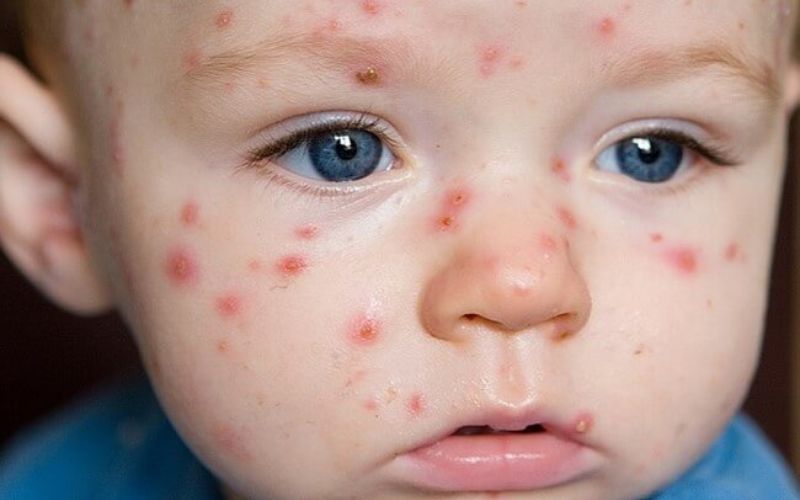
- Allergic reactions to fruit juices can range from mild symptoms like skin rashes or digestive upset to severe reactions requiring immediate medical attention. When can a baby have juice safely depends partly on individual allergy risks.
- Intolerance symptoms often manifest as digestive issues, including gas, bloating, diarrhea, or abdominal pain. These may indicate fructose malabsorption or sensitivity to specific fruit compounds.
- Introduction protocol should follow the same careful approach used for other new foods – introduce one type at a time, watch for reactions, and wait several days before trying something new.
- Family history considerations become important if there are known fruit allergies in your family. Consult your pediatrician before introducing potentially problematic fruits.
When to consult your pediatrician before introducing juice
Several situations warrant professional medical guidance before introducing juice:
- Medical conditions such as diabetes, digestive disorders, or failure to thrive require specialized nutritional approaches that may affect juice introduction timing and methods.
- Medication interactions can occur with certain fruit juices, particularly grapefruit juice, which can affect how some medications are metabolized.
- Developmental delays or feeding difficulties may require modified approaches to new food and beverage introduction.
- Previous adverse reactions to foods or beverages suggest the need for careful, supervised introduction of new items.

Can a 6-month-old baby have juice?
This frequently asked question deserves a clear, unambiguous answer: No, a 6-month-old baby should not have juice under any circumstances.
At 6 months, babies are just beginning to explore solid foods alongside continued breast milk or formula feeding. Their nutritional and hydration needs are fully met by these sources. When can babies have juice remains at 12 months, regardless of how well a baby seems to be doing with solid foods.
Even if your 6-month-old shows interest in what you’re drinking or seems ready for new flavors, juice introduction should wait. Instead, focus on offering appropriate solid foods like pureed fruits, which provide superior nutrition with natural fiber content.
Conclusion
Understanding when can babies have juice is essential for parents aiming to provide the best nutrition. Experts agree: no juice before 12 months. Safe juice introduction means offering only 100% pasteurized juice, limiting to 4 ounces daily for toddlers, serving juice in open cups with meals, and possibly diluting it. Juice should complement, not replace, whole fruits. Always follow your pediatrician’s advice and focus on moderation. For babies under 12 months, breast milk or formula meets all hydration needs, while water and milk remain primary for toddlers. Introducing juice after 12 months should be occasional, helping build healthy habits that last a lifetime.