

 Tiếng Việt
Introducing solid foods is an exciting milestone in your baby’s development, and as parents, we all want to ensure they receive the best nutrition possible. While store-bought options are convenient, homemade baby food allows you to have full control over the ingredients, minimize additives, and experiment with a variety of flavors. This guide features 20 easy and nutritious homemade baby food recipes for babies aged 6-12 months, ranging from simple purees to more complex combinations, empowering you to confidently support your baby’s weaning journey in a creative and healthy way.
Why Should You Make Homemade Baby Food?
Making baby food at home might seem time-consuming, but the benefits outweigh the extra effort. Homemade baby food recipes provide superior nutrition, allow you to control ingredients, and can save money in the long run.
When you prepare baby food at home, you ensure your little one receives fresh, whole ingredients without added preservatives, salt, or sugar, which are often found in commercial options. You can also introduce a wider variety of flavors and textures, helping to develop your baby’s palate from an early age.

Research shows that babies exposed to diverse flavors during their first year are more likely to accept different foods as they grow. Additionally, homemade baby food recipes often cost significantly less per serving than pre-packaged alternatives, especially when prepared in batches.
Baby Food Prep Essentials
A good blender or food processor is essential for making baby food. A standard blender works perfectly well, while specialized baby food makers are available. Other valuable items include:
- Ice cube trays or silicone freezer molds for storing portions
- A steamer basket or pot for cooking vegetables and fruits
- Fine mesh strainer for removing seeds or skins
- Storage containers or reusable pouches
- Measuring cups and spoons
- Sharp knife and cutting board
- Small saucepan for cooking grains and cereals
- Immersion blender for quick processing
- Vegetable peeler
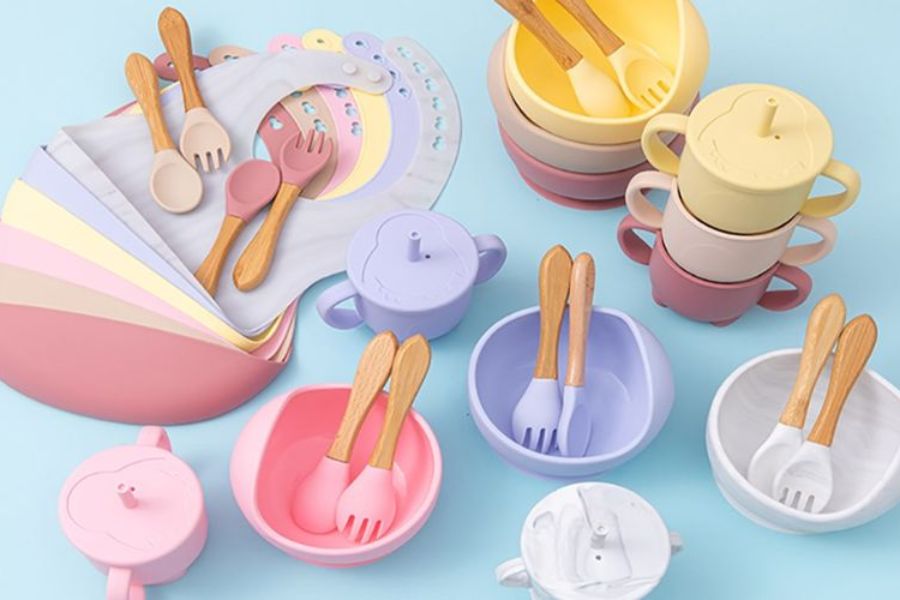
With these basic tools, you can create nutritious homemade baby food recipes from simple single-ingredient purees to more complex meals as your baby grows.
Stage 1: Easy No-Cook Purees for Starting Solids
When your baby begins eating solids around 6 months, smooth and straightforward baby food puree recipes are perfect for beginners. These no-cook purees are packed with essential nutrients and require very little preparation. They save you time while ensuring your little one gets fresh and healthy meals. Always check with your pediatrician before adding new foods to your baby’s diet.
Top 10 super simple, nutrient-packed purees
- Avocado Puree: Simply mash a ripe avocado with a fork and thin with breast milk, formula, or water to achieve a smooth consistency. Avocados provide healthy fats essential for brain development.
- Banana Puree: Mash a ripe banana with a fork until completely smooth. Bananas offer potassium and vitamin C, and are gentle on the baby’s digestive system.
- Mango Puree: Peel and pit a ripe mango, then blend until smooth. Add liquid if needed for consistency. Mangoes provide vitamin A for vision and immune health.
- Papaya Puree: Scoop out the seeds from a ripe papaya, blend the flesh, and thin if necessary. Papayas contain enzymes that support digestion.

- Kiwi Puree: Peel and blend ripe kiwi for a vitamin C-rich puree. Mix with banana to balance tartness if desired.
- Melon Puree: Blend seedless watermelon, cantaloupe, or honeydew for a hydrating, mild puree.
- Peach Puree: Use very ripe, peeled peaches for a sweet, vitamin-rich puree. No cooking is needed if the peaches are soft enough.
- Pear Puree: Blend ripe, peeled pears for a fiber-rich option that helps prevent constipation.
- Blueberry Puree: Blend fresh blueberries, then strain to remove skins for younger babies. Rich in antioxidants for brain development.
- Cucumber Puree: Peel, seed, and blend cucumber for a refreshing, hydrating option during warmer months.
How to mix and match flavors for variety
Once your baby has tried individual fruits and vegetables without adverse reactions, you can combine flavors to create more interesting meals. Creating varied combinations keeps mealtime exciting and exposes your baby to different tastes.
Try these no-cook mix-and-match combinations:
- Avocado + Banana (creamy and nutrient-dense)
- Mango + Banana (tropical sweetness)
- Pear + Avocado (smooth texture with balanced sweetness)
- Blueberry + Banana (antioxidant-rich with natural sweetness)
- Kiwi + Avocado (tangy and creamy)

When creating combinations, start with a 1:1 ratio and adjust based on your baby’s preferences. Introducing these varied flavor profiles early helps develop a more adventurous eater as your child grows.
Stage 2: Simple Cooked Purees to Introduce New Flavors
As your baby adapts to solids, Stage 2 cooked single-ingredient purees introduce more decadent flavors and nutrients while keeping a smooth texture for easier swallowing. Cooking softens foods and enhances nutrient absorption, helping prepare your baby for more textured meals.
Easy veggies and grains for 6 months
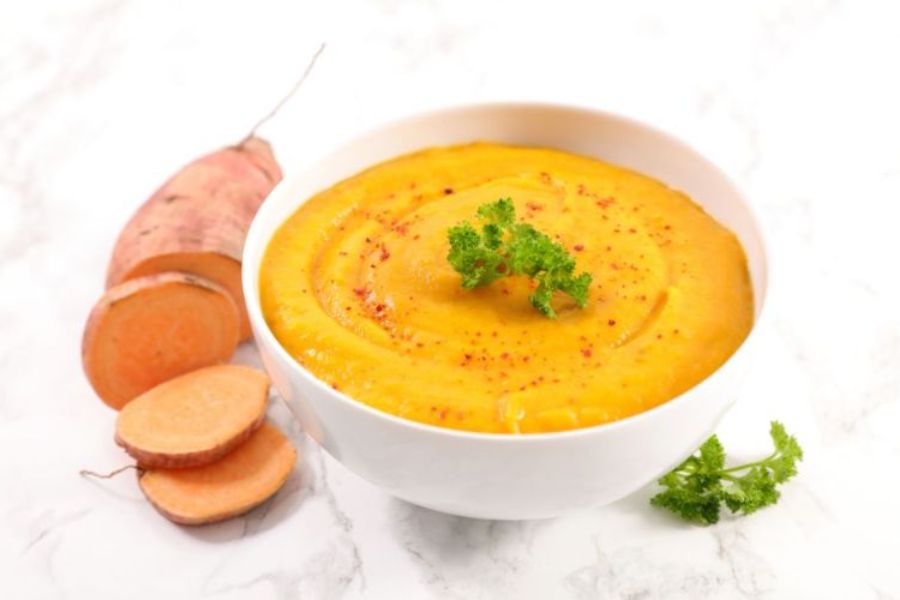
- Sweet Potato Puree: Bake or steam sweet potatoes until tender, then blend with water or milk until smooth. Sweet potatoes provide beta-carotene and fiber.
- Carrot Puree: Steam carrots until very soft, then blend until smooth. Add liquid as needed for consistency. Rich in vitamin A for vision development.
- Pea Puree: Steam fresh or frozen peas, then blend until smooth. Strain if necessary to remove any remaining skins. Peas offer protein and iron.
- Butternut Squash Puree: Roast or steam butternut squash cubes until tender, then blend until smooth – a good source of vitamins A and C.
- Zucchini Puree: Steam peeled zucchini until soft and blend until smooth – low in calories but nutrient-dense.
==> How to cook carrots for baby a simple guide for healthy first foods
Safe introduction of new textures
As your baby gets used to smooth purees, gradually introduce thicker textures to help develop their chewing skills and prepare for solid foods.
Use less liquid when blending to make purees thicker, leave soft lumps once your baby is ready, and oversee their reactions.
Introduce one new texture at a time and be patient—learning takes practice. Every baby reacts differently, so follow your baby’s pace and try rejected textures again after a week or two.
Stage 3: Flavor Combinations and Proteins for Your Baby’s Growth
Around 7-9 months, your baby can try Stage 3 recipes with mixed ingredients and added proteins, supporting growth and exposing them to new flavors. This stage helps develop varied tastes and prepares your baby for family-style eating with suitable textures for their chewing ability.
Creative mixes with veggies, fruits, and meats
- Apple-Cinnamon Oatmeal: Blend cooked oatmeal with apple puree and a tiny sprinkle of cinnamon for a warming breakfast option.
- Carrot-Sweet Potato Blend: Combine equal parts carrot and sweet potato puree for a vitamin-rich orange medley.
- Pea and Mint: Add a small amount of fresh mint to the pea puree for a refreshing flavor introduction.
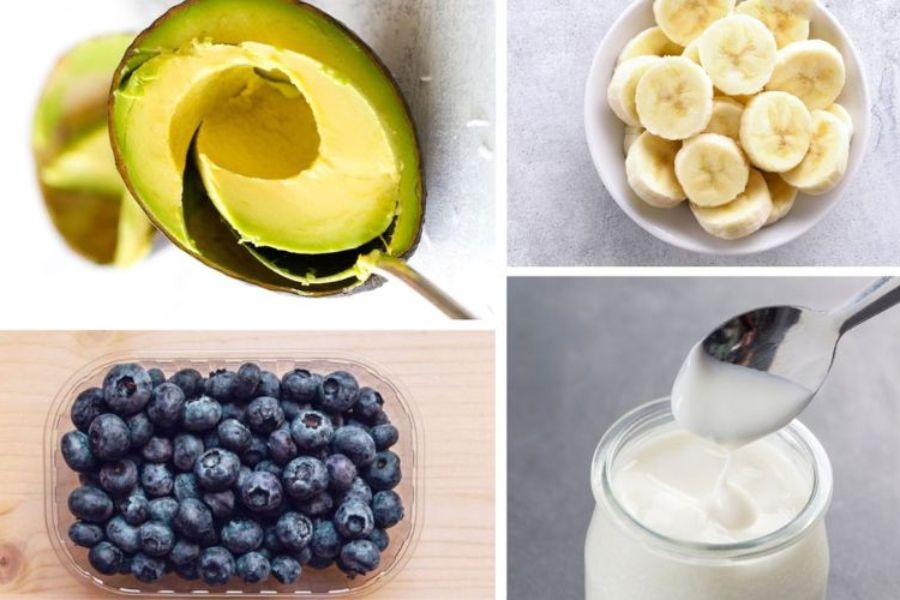
- Banana-Blueberry-Avocado: Combine these three superfoods for a nutrient-dense meal rich in healthy fats and antioxidants.
- Zucchini, Pear, and Spinach: This green blend offers iron, fiber, and a mild flavor profile perfect for developing palates.
- Butternut Squash and Apple: The apple’s sweetness complements the squash’s earthy flavor in this fall-inspired blend.
- Sweet Potato and Banana: A delicious combination offering complex carbohydrates and potassium.
- Peach, Mango, and Yogurt: This fruity yogurt blend provides probiotics and calcium once dairy is introduced.
When and how to add protein-rich foods
Around 7-8 months, babies are typically ready for protein-rich foods, which support muscle development and overall growth. Introduce proteins gradually, one at a time, to monitor for any allergic reactions.
Meat and Poultry Proteins:
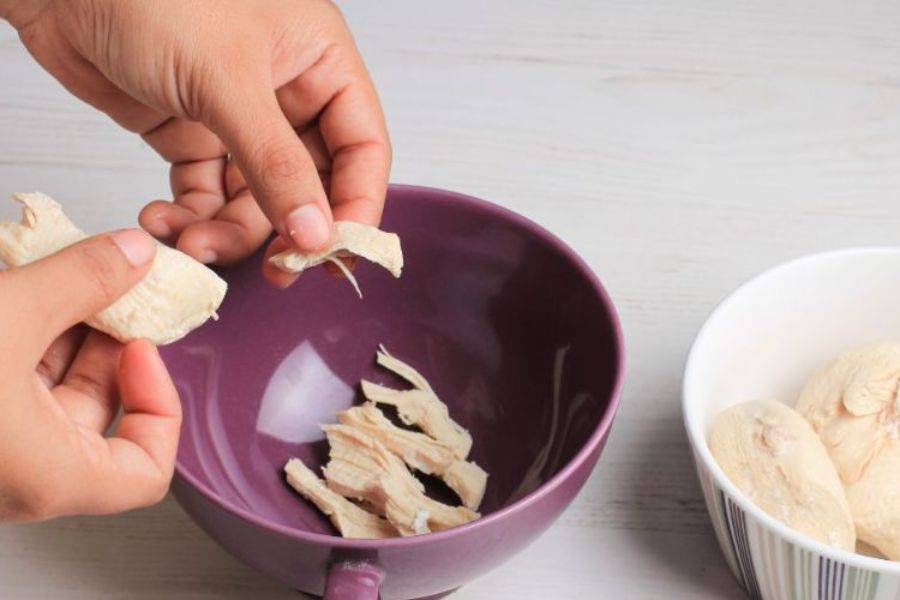
- Chicken Puree: Steam boneless, skinless chicken until fully cooked, then blend with vegetable puree or broth until smooth.
- Beef Puree: Cook lean ground beef thoroughly, then blend with a vegetable puree for moisture and nutrition.
- Turkey Puree: Steam ground turkey until fully cooked, then blend with sweet potato or apple puree for a nutrient-rich meal.
Plant-Based Proteins:
- Lentil Puree: Cook red lentils until soft, then blend until smooth – an excellent iron and plant protein source.
- Bean Puree: Cook and blend black beans, pinto beans, or white beans until smooth. Add cumin or other mild spices for flavor.
- Tofu Puree: Blend soft tofu with vegetable purees for an easily digestible protein source.
Always ensure meats are thoroughly cooked to an internal temperature of 165°F (74°C) before pureeing. Start with small amounts of protein (1-2 tablespoons) mixed with familiar foods, gradually increasing portion sizes as your baby shows interest.
Stage 4: Chunkier Meals & Family-Style Foods for 9-12 Months
Stage 4 offers chunkier, more textured foods and modified family meals to develop chewing skills and hand-eye coordination as your baby nears their first birthday. This stage bridges baby food and regular meals, promoting healthy eating habits with nutritious and flavorful recipes.
Transitioning to thicker textures
Moving from smooth purees to chunkier textures should happen gradually, allowing your baby time to develop oral motor skills. Here’s how to make this transition smooth and enjoyable:
- Start by mashing foods with a fork instead of blending completely smooth
- Introduce small, soft lumps that can be easily gummed
- Offer well-cooked pasta cut into small pieces
- Provide soft, diced fruits like ripe banana, avocado, or cooked apple
- Include well-cooked, diced vegetables like carrots, sweet potatoes, or zucchini
- Add texture gradually, observing how your baby manages each new consistency
- Ensure pieces are small enough to prevent choking (smaller than a pea for younger babies)
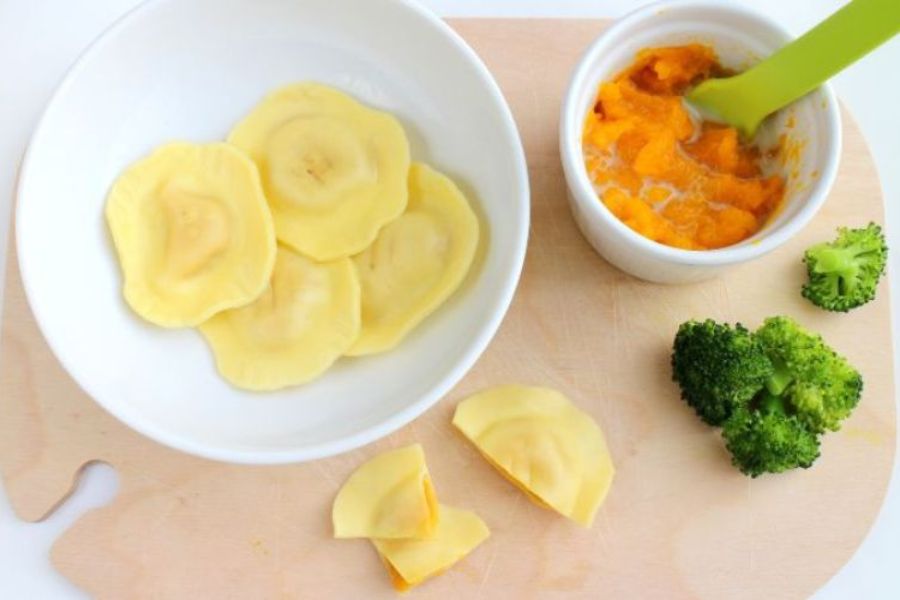
Remember that gagging is normal as babies learn to handle new textures, but always supervise meals and know the difference between gagging and choking. Stay patient and consistent, as mastering these new skills takes time and practice.
Delicious, wholesome recipes to try
- Mini Vegetable Frittata: Whisk eggs with finely chopped, cooked vegetables like spinach, sweet potato, and zucchini. Bake in mini muffin tins until set. Cut into tiny pieces for easy handling.
- Chicken Porridge: Mix cooked, shredded chicken with porridge and cooked vegetables for a delicious meal.
- Beef and Sweet Potato Stew: Slow-cook diced lean meat with sweet potatoes and carrots until tender. Mash slightly or chop into tiny pieces.
- Lentil and Vegetable Soup: Cook red lentils with diced carrots, zucchini, and sweet potatoes until soft. Partially blend for a chunky yet manageable texture.
- Quinoa Vegetable Medley: Mix cooked quinoa with finely diced steamed vegetables and olive oil for a nutrient-dense finger food.
- Salmon and Potato Cakes: Combine cooked, flaked salmon with mashed potatoes and form into small patties. Bake until golden.
- Banana Pancakes: Mix mashed banana with beaten egg and a little flour. Cook small, silver-dollar-sized pancakes and cut into bite-sized pieces.
- Turkey and Apple Meatballs: Mix ground turkey with grated apple and whole wheat breadcrumbs. Form into tiny meatballs and bake until cooked through.
==> Vietnamese Chicken Porridge: A Nutritious and Delicious Meal for Your Baby
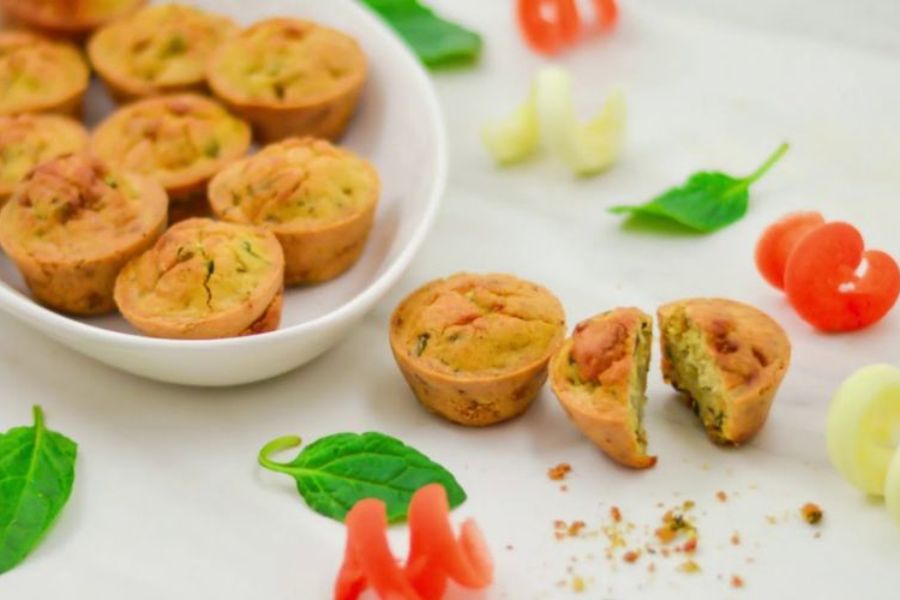
These recipes can be adapted to your family’s meals, making food preparation more efficient while ensuring your baby receives appropriate nutrition and textures.
Quick & Healthy Homemade Baby Food Recipe Ideas
This section offers quick, nutritious homemade baby food recipes for busy parents that save time without sacrificing quality. These versatile meals can be made ahead, stored, and shared with the whole family, with portions adjusted for your baby’s needs.
No-cook, cooked, smoothies, and puddings
No-Cook Options:
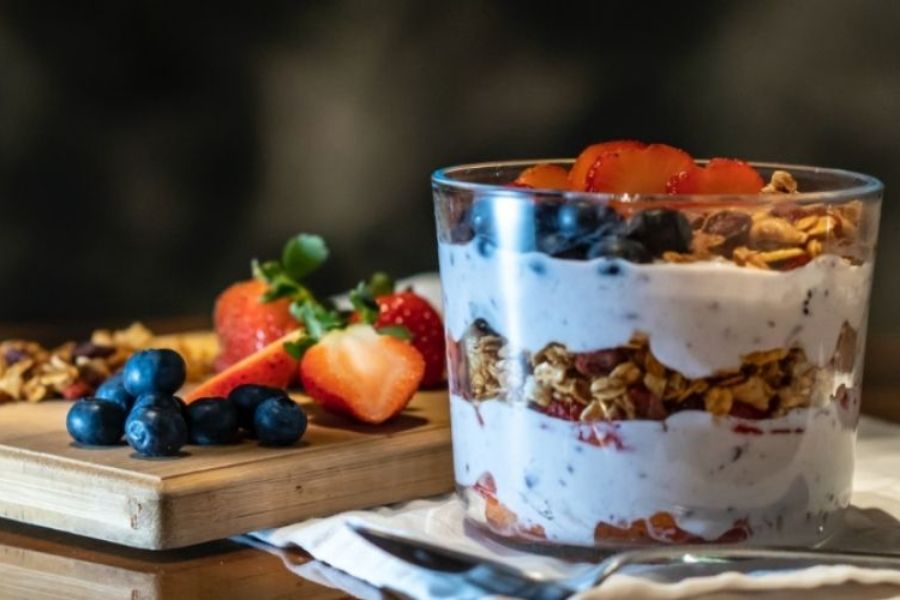
- Yogurt Parfait: Mix plain, whole-milk yogurt with mashed banana and a sprinkle of crushed cereal.
- Smashed Bean Spread: Mash canned beans (drained and rinsed) with avocado for a protein-rich spread or dip.
- Cottage Cheese with Fruit: Mix small-curd cottage cheese with mashed fruits for a calcium-rich snack.
Quick-Cook Recipes:
- Veggie Omelette: Whisk eggs and pour over finely chopped, cooked vegetables. Cook until set and cut into small pieces.
- Instant Pot Risotto: Cook arborio rice with vegetable broth and grated vegetables in a pressure cooker for a quick, creamy meal.
- One-Pot Pasta: Cook tiny pasta with finely diced vegetables in broth until soft, creating a starchy, nutritious meal.
Smoothies and Puddings:
- Green Smoothie: Blend spinach, banana, yogurt, and avocado for a nutrient-packed drink.
- Chia Pudding: Mix chia seeds with milk or yogurt and let sit until thickened. Top with mashed fruit.
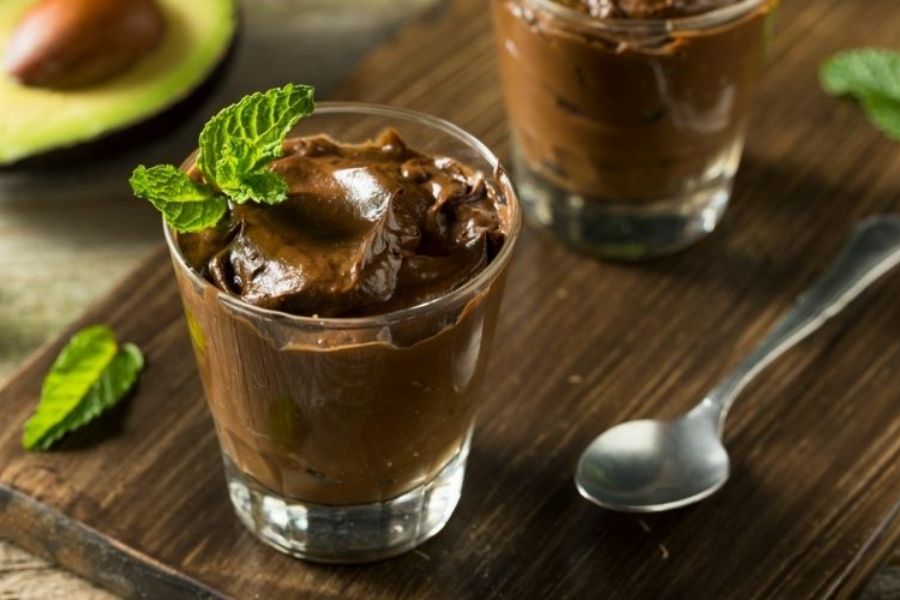
- Avocado Chocolate Pudding: Blend ripe avocado with cocoa powder and banana for a healthy treat.
Simple recipes to save time and nourish
To save time preparing homemade baby food, try these simple tips: cook large batches of vegetables and fruits to freeze in portions; use family meals before adding strong seasonings and adjust the texture for your baby; freeze combinations of veggies, fruits, and proteins in ice cube trays for easy servings; make one-pot meals like chicken porridge that can be adapted for different textures; or prepare overnight oats and chia pudding for quick, ready-to-eat options. These methods ensure healthy meals are always ready, even on busy days.
Combining instant porridge with homemade meals for busy days
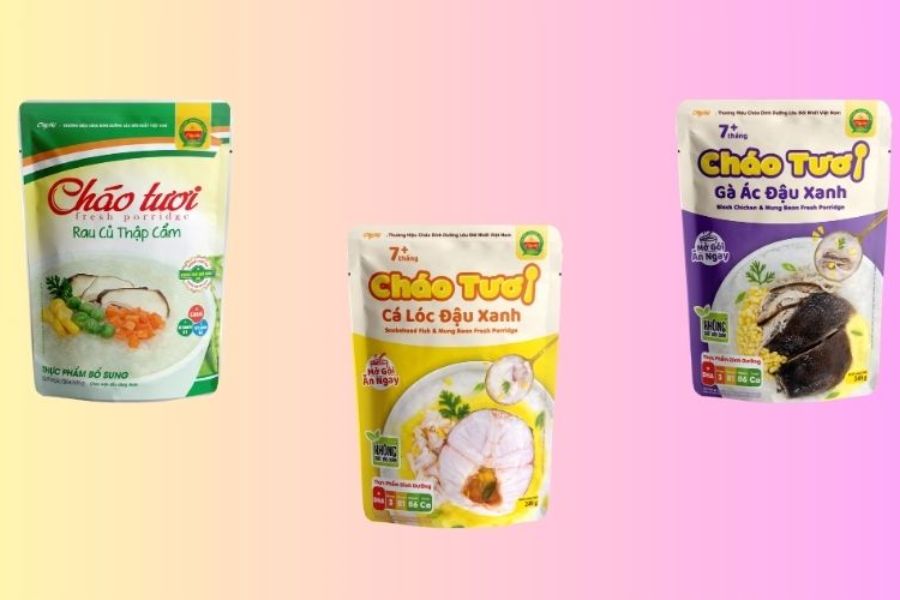
Combining AK FOOD’s high-quality fresh porridge with homemade ingredients on busy days is a smart way to enjoy nutritious meals quickly. For example, mix fresh porridge with vegetable puree, top oatmeal with fresh mashed fruits, or add yogurt and berries to instant cereal for a balanced breakfast. This method keeps your meals wholesome and convenient by enhancing quality instant products with fresh, homemade touches.
Feeding Tips and What to Avoid for Your Baby’s First Foods
Introducing solid foods successfully goes beyond just following recipes. It’s essential to recognize your baby’s readiness signs, avoid certain foods, and balance their nutrition. Every baby grows differently, so staying flexible and attentive to their reactions helps create healthy eating habits and a positive feeding experience.
Recognizing when the baby is ready
Before starting homemade baby food, ensure your baby is ready for solids, usually around 6 months. Key signs include sitting with minimal support, showing interest in food, losing the tongue-thrust reflex, moving food inside the mouth, and still being hungry after milk feeds. Starting solids too early or too late can affect health, so consult your pediatrician, especially for premature or developmentally delayed babies.
Foods to skip in the first year
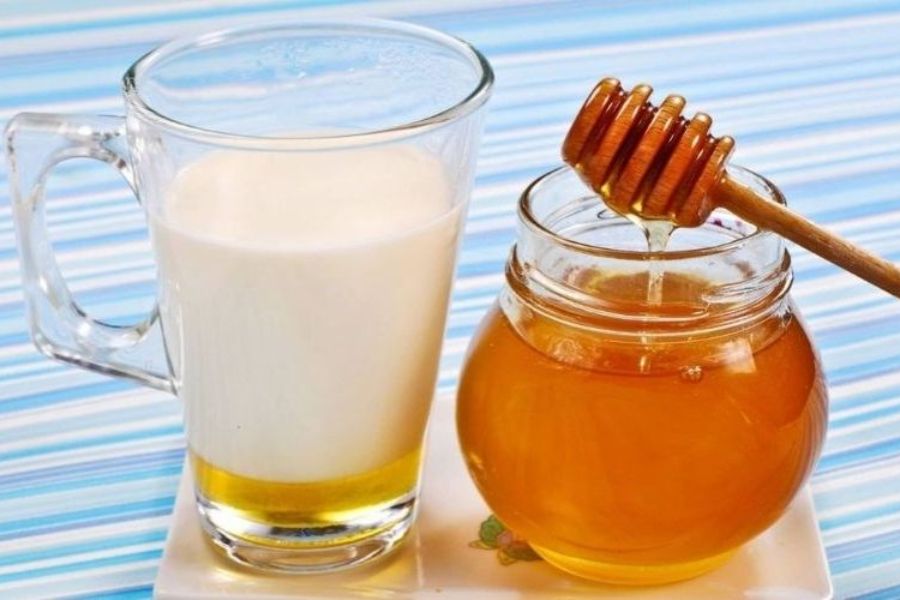
During the first year, avoid certain foods to reduce choking and allergy risks: whole nuts and seeds, large meat or cheese chunks, raw hard veggies, whole grapes, popcorn, hard candies, and large amounts of nut butter. Also skip honey, cow’s milk as a drink, added salt or sugar, fruit juices, processed foods, undercooked eggs or meat, and unpasteurized dairy. Introduce new foods one at a time, waiting 3–5 days to watch for allergies.
Balancing flavors and textures
Creating balanced meals supports your baby’s taste development and nutrition by including diverse food groups, alternating sweet and savory flavors, and gradually increasing textures. Reintroduce disliked foods in new ways, balance fruits with vegetables, and add mild herbs for variety. Use colorful foods and let your baby explore with their hands to boost sensory skills. Keep mealtime positive and patient; babies often need multiple tries before accepting new foods.
How to Safely Store and Reheat Homemade Baby Food
Proper storage and safety are crucial when making homemade baby food to keep it nutritious and prevent illness. Following these guidelines lets you prepare larger batches safely, saving time and ensuring quality, especially when introducing more complex recipes.
Best practices to store and reheat baby food safely
Refrigeration Guidelines
Store homemade baby food in airtight containers in the fridge, using fruit and vegetable purees within 3 days and meat, poultry, or fish purees within 24 hours. Refrigerated baby food should be consumed within 48 hours, and opened commercial jars must follow package instructions. Always keep refrigerated foods at or below 40°F (4°C).
Freezing Guidelines
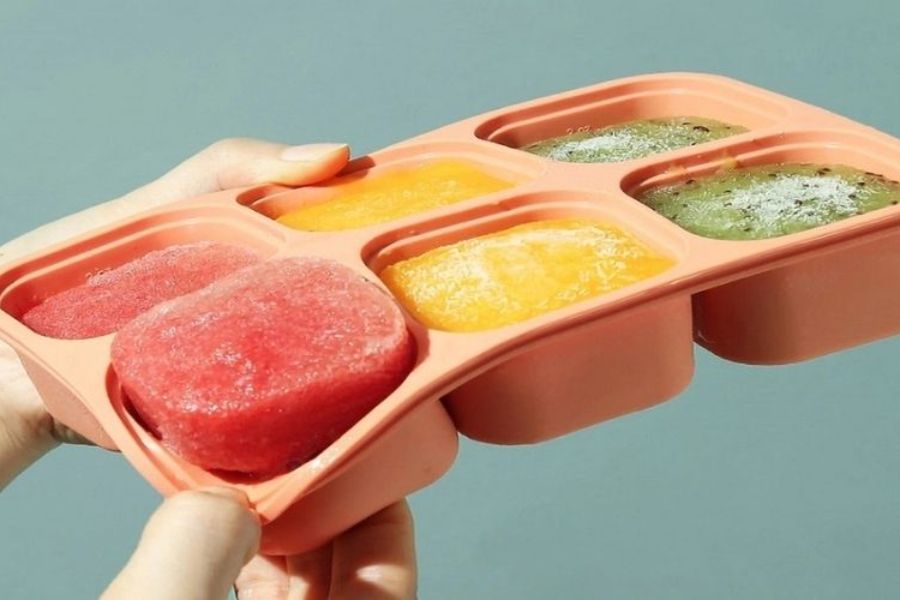
Freeze baby food in clean ice cube trays, silicone molds, or freezer-safe containers. After freezing solid, transfer the cubes to labeled freezer bags. Store fruit and vegetable purees for up to 3 months, and meat, poultry, or fish purees for up to 2 months. Always label frozen foods with their contents and date, and keep the freezer temperature at or below 0°F (-18°C).
Safe Reheating
Thaw frozen baby food overnight in the refrigerator or quickly using a microwave’s defrost setting. Heat thoroughly until steaming, stir well, and check the temperature before serving to avoid hot spots. Always discard leftovers from your baby’s bowl and never refreeze thawed baby food.
Always wash hands thoroughly before preparing baby food and ensure clean utensils and surfaces.
Reusable and eco-friendly storage options
Environmentally conscious storage solutions can reduce waste while keeping your homemade baby food recipes fresh and organized. Sustainable storage options for baby food include glass containers with airtight, freezer-safe lids, silicone freezer trays with covers, stainless steel containers for the fridge, and reusable food pouches for older babies.
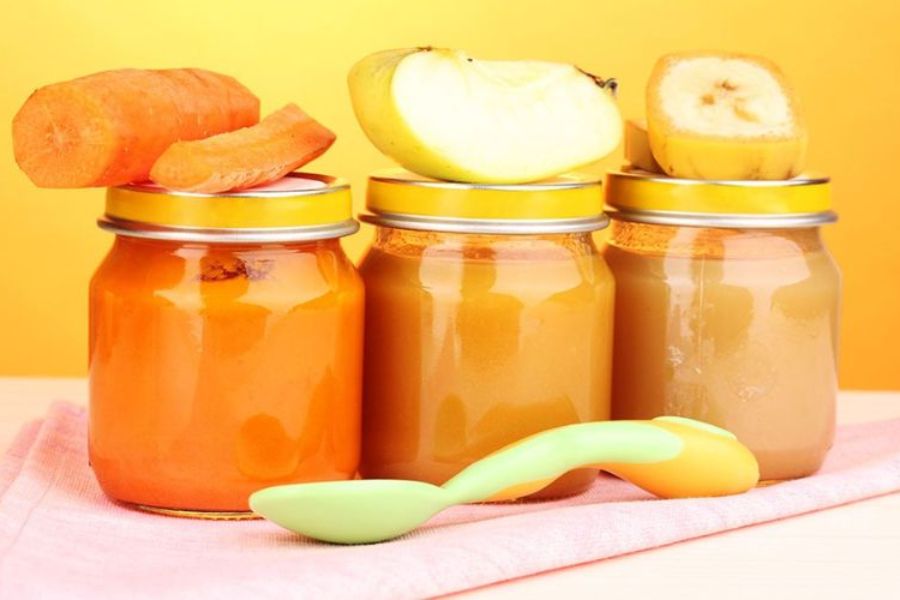
Beeswax wraps and bamboo-lidded glass containers offer eco-friendly alternatives, while stackable systems help save space. When choosing containers, prioritize BPA-free, durable, easy-to-clean, appropriately sized, and clearly labeled options. These choices are better for the environment and often more cost-effective than disposable products.
FAQ: Common Questions About Homemade Baby Food
Many parents have common questions when starting homemade baby food, such as how to begin solids, transition between stages, and support their baby’s eating skills. Understanding these basics builds confidence in preparing nutritious meals that aid your child’s growth. Always consult your pediatrician for personalized advice for any specific concerns about nutrition or development.
What to start with?
Start solids with single-ingredient purees like iron-rich cereals, meat, or soft fruits and veggies. Introduce one food every 3–5 days, starting with 1–2 teaspoons and increasing gradually. Keep breastfeeding or formula as the leading nutrition until 12 months.
==> When Can Babies Eat Solid Food? A Complete Guide for Parents
When to introduce finger foods?
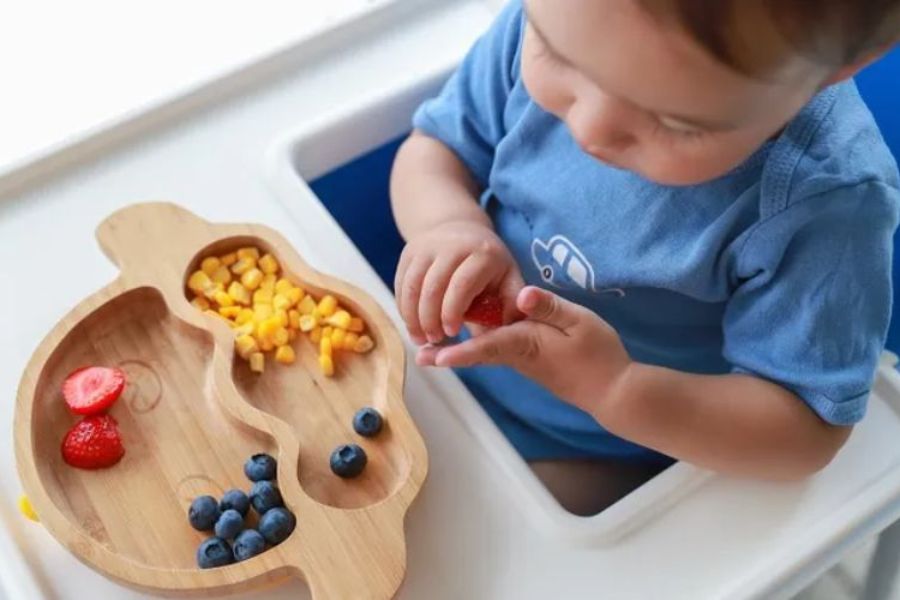
Babies with a pincer grasp are ready for finger foods around 8–10 months. Safe options include soft fruits, cooked veggies, toast strips, pasta, soft fish, cheese, and eggs. Signs of readiness are chewing motions, moving food in the mouth, and showing interest in others’ food.
Baby-led weaning food ideas?
Baby-led weaning lets babies self-feed soft finger foods from the start. You can mix this with purees for balanced feeding. Good starter foods are steamed veggies, soft fruits, toast, omelette, sweet potato, chicken, and pasta. Always supervise and offer smooth, easy-to-mash foods.
Expert Tips for Successfully Making Homemade Baby Food
With years of experience, these expert tips make preparing homemade baby food easier and more nutritious. They help you create balanced meals that support your baby’s growth and encourage healthy eating habits.
Blend enough for easy prep
To save time, batch-prepare homemade baby food once a week by cooking and freezing small portions of base purees and ingredients separately. Use weekends to make multiple meals, save extra veggies from family dishes, and organize your freezer with labeled sections. This method reduces daily prep while ensuring variety and quality in your baby’s diet.
Taste test for sweetness & texture
Quality control is key when making homemade baby food. Always taste for balanced flavor and sweetness, ensure textures suit your baby’s stage, and cook foods until soft. Check temperatures carefully to avoid hot spots, adjust consistency with liquids if needed, and ensure finger foods can be easily mashed. Babies’ taste buds are sensitive, so flavors that seem mild to adults may be too intense.
Mix flavors gradually
To develop your baby’s palate, start with single-ingredient purees to spot allergies, then gradually mix mild flavors before stronger ones. Introduce savory before sweet, add mild herbs, and avoid salt or sugar. Pair new foods with favorites and reintroduce rejected foods in different ways. Early exposure to varied flavors helps create adventurous, open eaters.
Add fiber and healthy fats
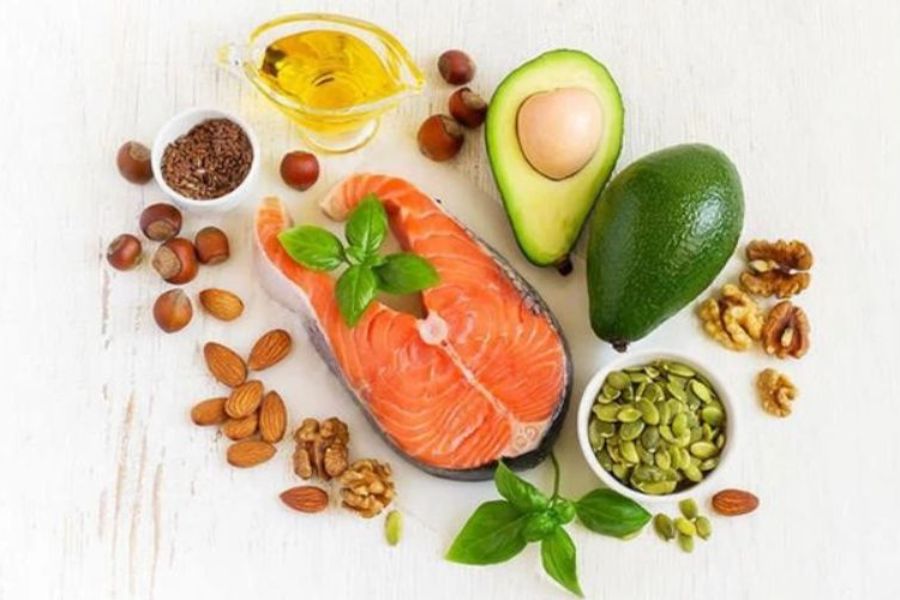
Optimize your baby’s nutrition by including fiber-rich foods like avocado and legumes to prevent constipation, healthy fats for brain development, and daily iron-rich foods paired with vitamin C for better absorption. Offer varied proteins, whole grains, and probiotic foods like yogurt to support digestion, while ensuring proper hydration. These steps help create balanced meals for healthy growth.
Encourage self-feeding
Supporting your baby’s independence by offering finger foods alongside purees, encouraging messy exploration, and allowing spoon practice helps develop fine motor skills and healthy food relationships. Join family meals, follow your baby’s hunger cues, and keep mealtimes positive and pressure-free. Be patient with messes and offer a manageable variety of foods to build lifelong healthy eating habits, making mealtime enjoyable for both baby and parent.
Preparing homemade baby food with easy recipes is an excellent way to offer your little one fresh, nutritious meals while introducing them to various flavors and textures. With simple recipes and helpful tips, you can confidently support your baby’s growth and development through every weaning stage. By choosing quality ingredients, following safe preparation methods, and gradually adding new tastes, you help your baby develop healthy eating habits that last a lifetime. Whether you have plenty of time or a busy schedule, these nutritious baby food recipes provide delicious options to nourish your baby from 6 to 12 months and beyond.
If you’re looking for convenient, high-quality baby food options to complement your homemade meals, AK FOOD is here to help. Their nutritious fresh porridges make mealtime easier without compromising health, allowing you to provide balanced and delicious food even on the busiest days. Try AK FOOD products today and enjoy the perfect blend of convenience and wholesome nutrition for your baby’s happy, healthy start!