

 Tiếng Việt
Basic nutrients are the foundation of a healthy diet, yet many overlook their importance in daily meals.
In this article, AK Food will explore how basic nutrients serve as the building blocks of a nutritious diet, offering you the knowledge to make informed dietary choices that support a balanced and healthy lifestyle.
 Basic nutrients food
Introduction
Basic nutrients are the foundation upon which all bodily functions are built. Without them, our bodies would struggle to perform even the most basic tasks, leading to fatigue, weakened immunity, and a range of health issues.
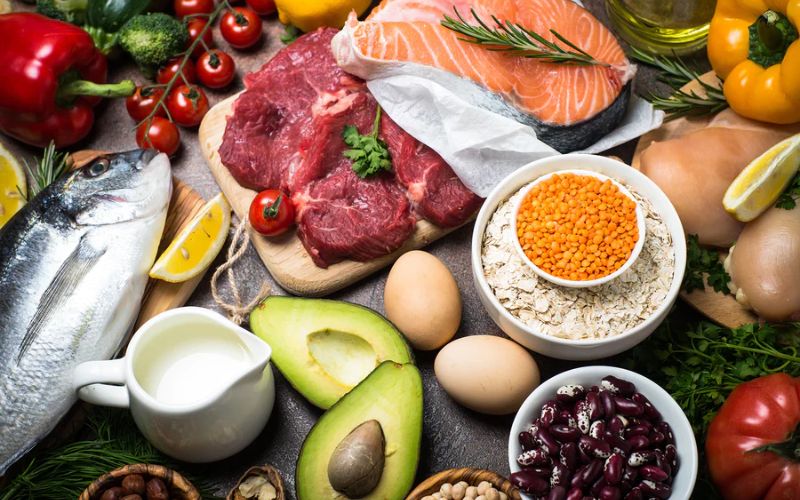
A balanced diet isn’t just about eating enough food; it’s about consuming the right kinds of food that provide the six essential basic nutrients: carbohydrates, proteins, fats, vitamins, minerals, and water. These nutrients work together to keep us energized, healthy, and functioning at our best.
What are basic nutrients?
Basic nutrients are essential substances the body requires to grow, repair itself, and carry out all its vital functions. These include macronutrients like carbohydrates, proteins, and fats, as well as micronutrients like vitamins, minerals, and water. A lack of any of these can lead to malnutrition, poor energy levels, or long-term health conditions.

The six essential basic nutrients
To maintain optimal health and well-being, our bodies require a balance of key nutrients that support every function from energy production to immune defense. Below are the six essential basic nutrients that form the foundation of a nutritious diet.
Carbohydrates
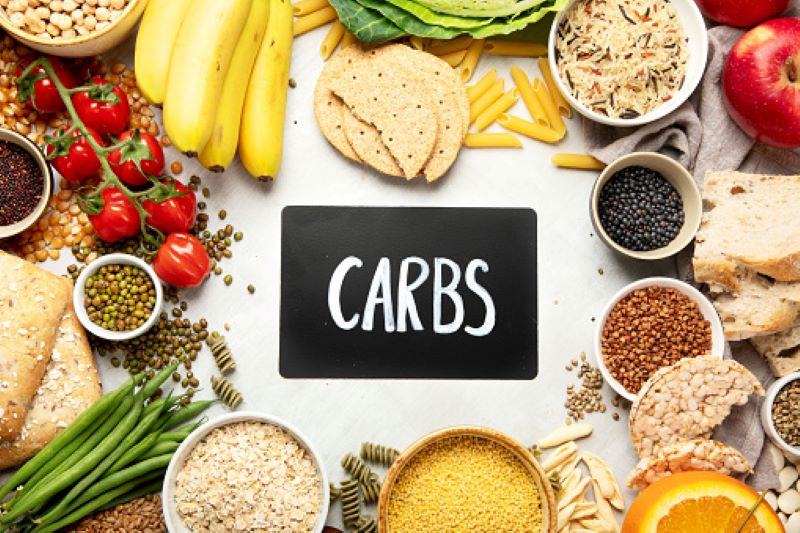 Healthy carbs
Carbohydrates are often thought of as the body’s main energy source. They are broken down into glucose, which fuels everything from brain function to muscle movement. When you don’t get enough carbohydrates, you might experience fatigue, brain fog, and irritability.
Certain complex carbohydrates, such as those found in vegetables, beans, and grains, are especially good because they provide a steady release of energy and are rich in fiber, which aids digestion and helps keep you full longer.
Proteins
The indispensable component of life is protein. They are crucial for repairing and building tissues, producing enzymes and hormones, and supporting immune function. Without adequate protein, you might face issues like muscle loss, slow wound healing, and problems with hair, skin, and nails.
Add a variety of protein sources to your diet, such as lean meats, fish, eggs, dairy products, legumes, and nuts, to ensure your body gets all the essential amino acids it needs.
Fats
 Healthy fats
In addition to harmful fats, some fats are essential for our health. They provide energy, support cell growth, protect our organs, and help the body absorb fat-soluble vitamins (a, d, e, and k).
Healthy fats, such as those found in avocados, nuts, seeds, and olive oil, should be a regular part of your diet. A lack of fat can lead to issues like dry, scaly skin, hair loss, hormonal imbalances, and poor absorption of vital vitamins.
Vitamins
The body’s functions require vitamins, which are essential organic compounds.
Each vitamin has a specific role – for example, vitamin A is crucial for vision and immune function, while vitamin C supports skin health and wound healing. Deficiencies in vitamins can lead to a wide range of health issues.
For instance, a lack of vitamin A can cause night blindness, while a deficiency in vitamin C can lead to bleeding gums and slow wound healing. To prevent these deficiencies, it’s important to eat a colorful variety of fruits and vegetables.
Minerals
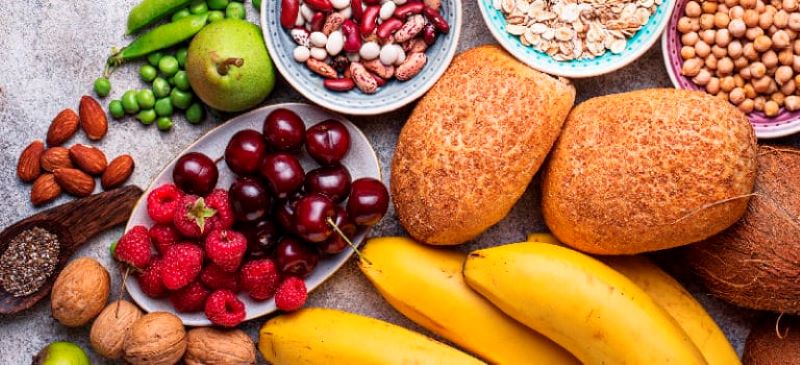 Minerals Nutrition
Minerals are inorganic elements that the body needs to perform essential functions, such as building strong bones, transmitting nerve impulses, and maintaining a healthy heart. Key minerals include calcium, iron, potassium, and zinc.
A deficiency in minerals can result in conditions like anemia (from lack of iron), weak bones (from lack of calcium), and impaired immune function (from lack of zinc).
To ensure you’re getting enough minerals, include a variety of foods in your diet, such as dairy products, leafy greens, nuts, seeds, and lean meats.
Water
Water is often overlooked as a nutrient, but it is essential for life. Water makes up about 60% of your body weight and is involved in virtually every bodily function, from regulating body temperature to transporting nutrients and removing waste.
Dehydration can lead to symptoms such as fatigue, poor concentration, and headaches. It’s important to drink enough water throughout the day, with the general recommendation being about 8 glasses (2 liters) daily, though individual needs may vary.
More information: Hot porridge
How basic nutrients work together
 Basic nutrients work together
The magic of a balanced diet lies in how these basic nutrients work together to support your overall health.
For example, fats help the body absorb fat-soluble vitamins like a, d, e, and k, which are essential for various bodily functions such as bone health and immune response. Carbohydrates and proteins work in tandem to fuel and repair muscles, especially after exercise.
This synergy highlights the importance of consuming a variety of foods to ensure you’re getting all the necessary nutrients in the right amounts.
Common signs of malnutrition and how to prevent them
Recognizing the early signs of malnutrition is key to maintaining overall health and preventing long-term complications. Each nutrient plays a specific role, and deficiencies can lead to a range of physical and mental symptoms. Here’s how to identify common signs of malnutrition and what you can do to prevent them.
Carbohydrate deficiency
Carbohydrates are the body’s primary source of energy, fueling everything from brain activity to physical movement. When your intake is too low, common symptoms include fatigue, brain fog, irritability, dizziness, and constipation due to insufficient fiber. Long-term deficiency may also affect mood and concentration, as the brain relies heavily on glucose to function efficiently.
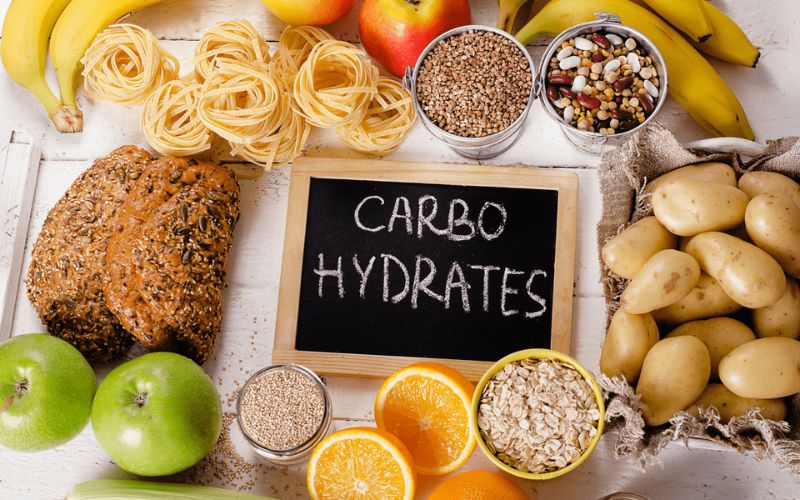
To prevent this, make sure to include complex carbohydrates in your daily meals—such as whole grains (brown rice, oats, quinoa), fruits, vegetables, and legumes—which provide sustained energy and important nutrients like fiber, B vitamins, and antioxidants.
Protein deficiency
Proteins are essential for building and repairing tissues, maintaining muscle mass, and supporting immune function. A lack of protein can lead to muscle wasting, slower wound healing, brittle hair and nails, weakened immunity, and in severe cases, edema (fluid retention) due to low albumin levels.
To avoid protein deficiency, aim to consume a balanced mix of animal and plant-based sources, including lean meats, poultry, fish, eggs, dairy products, legumes (beans, lentils, chickpeas), tofu, and nuts. This not only ensures adequate protein intake but also supplies vital amino acids.
Fat deficiency
Dietary fats play a critical role in hormone production, brain development, skin health, and the absorption of fat-soluble vitamins (A, D, E, K). A deficiency in healthy fats may cause dry, flaky skin, hair thinning, hormonal imbalances, and poor vitamin absorption.
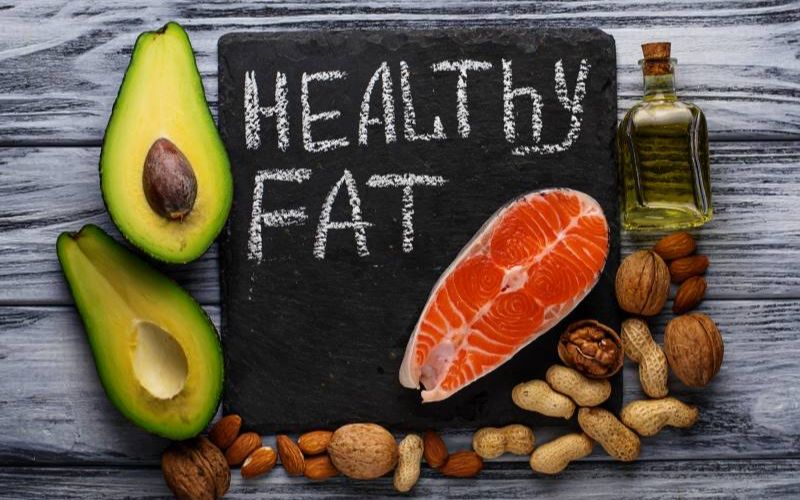
To prevent this, incorporate sources of unsaturated fats into your meals, such as avocados, olive oil, fatty fish (like salmon and sardines), flaxseeds, chia seeds, and nuts. Avoid trans fats and limit saturated fats, but don’t eliminate healthy fats altogether—they’re essential for overall well-being.
Vitamin deficiency
Vitamins are micronutrients that support hundreds of physiological functions. Deficiencies vary depending on the vitamin:
- Vitamin A: Poor night vision, dry eyes, and immune weakness.
- Vitamin C: Bleeding gums, frequent bruising, and delayed wound healing (a condition known as scurvy in severe cases).
- Vitamin D: Bone pain, fatigue, and increased risk of infections.
- Vitamin B12: Tingling hands/feet, memory problems, and anemia.
- Vitamin K: Easy bruising and bleeding issues.
A diverse diet rich in fruits, vegetables, whole grains, dairy, eggs, and fortified cereals can help meet your vitamin needs. When dietary intake is insufficient, supplements may be recommended under medical supervision.
Mineral deficiency
Minerals are just as vital as vitamins, supporting bone health, nerve transmission, and enzyme function:
- Calcium deficiency can cause weakened bones and teeth, muscle cramps, and in the long term, increase the risk of osteoporosis.
- Iron deficiency may lead to anemia, characterized by fatigue, pale skin, shortness of breath, and reduced physical performance.
- Magnesium deficiency can result in muscle spasms, mental confusion, and abnormal heart rhythms.
- Potassium deficiency often causes muscle weakness, cramps, constipation, and heart rhythm irregularities.
To ensure proper mineral intake, eat a balanced diet with leafy greens, dairy, nuts, seeds, whole grains, bananas, seafood, and lean meats.
 Basic nutrients – Foods for mineral
Water deficiency (dehydration)
Water is the most overlooked yet critical nutrient. It helps regulate body temperature, supports digestion, cushions joints, and transports nutrients and waste. Dehydration can lead to headaches, dry mouth, difficulty concentrating, fatigue, and in more severe cases, dizziness and rapid heartbeat.
Adults should aim to drink around 2–3 liters of water daily, depending on activity level, climate, and health status. Consuming water-rich foods like cucumbers, watermelon, and citrus fruits also contributes to hydration.
More information: Meatball in Mushroom Sauce: A healthy comfort food recipe
Practical tips for incorporating basic nutrients into your diet
Incorporating basic nutrients into your diet doesn’t have to be complicated. Here are some practical tips:
Meal planning
Planning your meals ahead of time ensures you’re getting the right balance of nutrients throughout the day. By including a variety of protein, carbohydrates, and healthy fats in each meal, you can support your overall well-being and energy levels.
- Breakfast: start your day with a balanced meal that includes protein (such as eggs or Greek yogurt), carbohydrates (like whole-grain toast or oatmeal), and healthy fats (like avocado or nuts).
- Lunch: opt for a mixed salad with lean protein (such as chicken or tofu), plenty of vegetables, and a whole-grain side (like quinoa or brown rice).
- Dinner: include a source of protein (such as fish or lean meat), vegetables (steamed or roasted), and a healthy fat source (such as olive oil or avocado).

Healthy eating habits
Adopting healthy eating habits is crucial for maintaining long-term health. By eating a variety of foods, managing portion sizes, and staying hydrated, you can optimize your nutrient intake and keep your body functioning at its best.
- Eat a variety of foods: ensuring that you’re getting a broad range of nutrients by eating different foods every day is key to a balanced diet.
- Watch your portions: balance is crucial. Paying attention to portion sizes helps you avoid overeating, especially with calorie-dense foods like fats.
- Stay hydrated: don’t forget to drink water throughout the day to stay hydrated and support overall health.
 Basic nutrients
When should you consider nutrient supplements?
While it’s always best to get your nutrients from whole foods, there are times when supplementation may be necessary:
- During pregnancy or breastfeeding
- With certain medical conditions (e.g., malabsorption, anemia)
- If you follow a restricted diet (e.g., vegan, gluten-free)

If you’re considering supplements, consult with a healthcare professional to ensure you’re choosing the right ones for your needs.
More information: AK Food vitamin A and unexpected benefits
Frequently asked questions about basic nutrients
Understanding basic nutrients can raise many questions, especially when it comes to their role in daily health and diet. Below are some of the most frequently asked questions to help clarify common concerns and misconceptions.
What happens if I don’t get enough nutrients?
Lack of essential nutrients can cause fatigue, weakness, and poor concentration. Over time, it may lead to anemia, osteoporosis, and a weakened immune system. Prioritizing nutrient intake is crucial for good health.
Can I get all my nutrients from food?
A balanced diet with whole foods typically provides all essential nutrients. However, vegans, older adults, and pregnant women may need supplements. Always consult a healthcare provider before taking any.

Is water really considered a nutrient?
Water is a crucial nutrient often overlooked in nutrition discussions. It supports cell function, digestion, nutrient absorption, temperature regulation, joint lubrication, and detoxification. Staying hydrated is essential for health, with a recommended intake of 2–3 liters daily, depending on individual needs and activity levels.
Conclusion
Understanding and incorporating basic nutrients into your daily diet is the key to unlocking better health and well-being. By focusing on these essential building blocks, you can create a balanced and nourishing diet that supports your body’s needs.
Stay connected with AK Food for more insights and tips on how to optimize your nutrition – follow our website for the latest updates and expert advice.
If you have any questions, don’t hesitate to contact us via the following channels:
Anh Kim Food Production Joint Stock Company (AK FOOD)
Phone number: 028 3815 9696
Email: contact@akfood.com.vn
Address: Lot III – 1B, Street 1, Tan Binh Industrial Park, Tan Phu District, Ho Chi Minh City