

 Tiếng Việt
Introducing solid foods is an exciting milestone for parents, and a common question is when can babies eat eggs. Eggs are nutritious but also a common allergen, so timing and care are important. This guide from AK FOOD offers pediatrician-approved advice on when can baby eat eggs, how to introduce them safely, and what precautions to take. Whether you’re unsure about the right age or worried about allergies, AK FOOD helps you add eggs to your baby’s diet with confidence.
When Can Babies Eat Eggs?
Understanding the optimal timing for egg introduction has evolved significantly over the past decade, with current pediatric recommendations differing substantially from previous guidelines. Let’s explore the official recommendations and age-specific milestones that will help you determine when can a baby eat eggs safely.
==> When Can Babies Eat Solid Food? A Complete Guide for Parents
Official pediatric recommendations for introducing eggs
Leading pediatric groups like the AAP and ESPGHAN now recommend introducing eggs around 6 months, a shift from older advice to wait until 12-24 months. Research, including the LEAP study, shows that early introduction of allergens can lower allergy risks. Evidence suggests that when can babies start eating eggs is ideally between 4-6 months, but most doctors advise waiting until 6 months to ensure the baby’s digestive system is ready and they have tried other solid foods first.

Different age milestones: 6 months, 9 months, 12 months, and beyond
Introducing eggs to babies varies by age, with textures and forms adjusted as they grow. Here’s how to approach eggs at 6, 9, and 12 months and beyond.
- Around 6 months: This is the ideal window for first egg introduction. At this stage, when can babies eat eggs safely begins with offering well-cooked eggs in pureed or mashed form. Start with small amounts of thoroughly cooked egg, ensuring both yolk and white are completely firm to eliminate any risk of Salmonella contamination. The texture should be smooth and easily swallowable, mixed with familiar foods like breast milk or previously accepted vegetable purees.
- 9 months and beyond: As your baby develops better chewing skills and the pincer grasp, you can progress to offering when can babies eat scrambled eggs in small, soft pieces. At this stage, babies can handle slightly more complex textures, making scrambled eggs an excellent option. Cut well-cooked scrambled eggs into pea-sized pieces that are easy for small hands to grasp and safe to swallow.
- 12 months and beyond: By their first birthday, babies can typically enjoy eggs in various forms, including omelets cut into strips, whole scrambled eggs, and properly prepared hard-boiled eggs. This expanded range answers the question when can babies start eating eggs in more diverse preparations, as their digestive and motor skills have matured significantly.
==> 20 Homemade Baby Food Recipes- Nutritious, Easy, and Delicious Meals for 6-12 Months

Throughout all these stages, the key principle remains consistent: eggs must be thoroughly cooked until both whites and yolks are completely firm, regardless of the preparation method or your baby’s age.
Health Benefits of Eggs for Babies
Eggs are often called “nature’s perfect food” for good reason, providing an exceptional array of nutrients that directly support your baby’s rapid growth and development. Understanding these benefits helps explain why pediatric nutritionists are so enthusiastic about early egg introduction when parents ask when can babies eat eggs.
Key nutrients eggs provide: protein, vitamins, minerals
Eggs deliver an impressive nutritional profile that’s particularly beneficial during your baby’s critical first years of development. The high-quality complete protein in eggs contains all nine essential amino acids necessary for building and repairing tissues, supporting muscle development, and maintaining overall growth.
The choline content in egg yolks is particularly noteworthy, as this nutrient is crucial for brain development, memory formation, and liver function. Many babies don’t receive adequate choline from other food sources, making eggs an invaluable addition to their diet.

Eggs are rich in vitamin D, which supports bone health and immune function, especially important for babies who may have limited sun exposure. Vitamin B12 supports nerve development and red blood cell formation, while vitamin A promotes healthy vision and immune system function.
Essential minerals found in eggs include iron for oxygen transport, zinc for immune function and wound healing, and selenium, which acts as a powerful antioxidant. Some eggs, particularly from pasture-raised hens or those fed omega-3 enriched diets, also provide DHA (docosahexaenoic acid), a crucial omega-3 fatty acid for brain and eye development.
Eggs are good for brain and physical development
The combination of nutrients in eggs creates a synergistic effect that’s particularly beneficial for rapidly developing babies. The high-quality protein provides building blocks for muscle development and overall physical growth, while choline directly supports brain cell formation and neural development.
When can baby eat eggs becomes even more relevant when considering that the first year of life represents the most critical period for brain development. The choline, DHA, and various B vitamins in eggs work together to support cognitive function, memory development, and neural pathway formation that will serve your child throughout their lifetime.

The protein quality in eggs is considered the gold standard, with a biological value of 100, meaning your baby’s body can efficiently utilize all the amino acids provided. This efficiency is particularly important during periods of rapid growth when protein needs are proportionally higher than at any other life stage.
Eggs support a balanced baby diet
Incorporating eggs into your baby’s diet contributes significantly to nutritional variety and balance. When can babies start eating eggs at around 6 months, it allows parents to introduce a food that complements other first foods beautifully, providing nutrients that might otherwise be lacking in a limited infant diet.
Eggs are naturally free from added sugars and artificial ingredients, making them an ideal whole food choice for babies. Their versatility allows for creative combinations with vegetables, fruits, and grains, helping expand your baby’s palate while ensuring nutritional adequacy.

The affordability and accessibility of eggs make them an excellent choice for families seeking to provide optimal nutrition without breaking the budget. Unlike many other high-quality protein sources, eggs are consistently available and can be prepared in numerous ways to accommodate your baby’s developing preferences and abilities.
==> 25 Nutritious Homemade Baby Food Recipes Every Parent Should Master
How to Introduce Eggs to Your Baby Safely
Introducing eggs for the first time requires careful planning and attention to detail. Following a systematic approach helps ensure safety while maximizing the chances of successful acceptance. Understanding when can babies eat eggs is just the first step – knowing how to introduce them properly is equally crucial.
Step-by-step guide for first-time egg introduction
Introducing eggs to your baby requires careful steps to ensure safety and monitor reactions. Here’s a simple guide to help you start.
Step 1: Choose the optimal timing – Plan egg introduction when your baby is healthy, well-rested, and alert. Avoid introducing eggs during illness, teething discomfort, or when trying other new foods. Morning or early afternoon timing is ideal, allowing ample time to monitor for any reactions throughout the day.
Step 2: Ensure thorough cooking – This cannot be overemphasized: cook eggs until both whites and yolks are completely firm. Use medium heat to prevent burning while ensuring complete cooking. The internal temperature should reach 160°F (71°C) to eliminate any risk of Salmonella contamination.
Step 3: Start incredibly small – For the very first introduction, offer just 1/4 teaspoon of well-cooked, mashed egg. Mix it with a familiar food your baby already enjoys, such as breast milk, formula, or a fruit puree they’ve previously accepted. This familiar flavor combination can make the new taste more acceptable.

Step 4: Offer whole egg from the start – Current recommendations suggest introducing both egg white and yolk together rather than separating them. This approach may help reduce the risk of developing allergies to either component and provide the full nutritional benefit from the beginning.
Step 5: Observe carefully – Watch your baby closely during feeding and for several hours afterward. Look for any signs of allergic reaction, digestive upset, or unusual behavior. Keep a food diary noting the time of introduction, amount consumed, and any observations.
Step 6: Wait between introductions – After the first egg experience, wait 2-3 days before offering eggs again or introducing any other new foods. This waiting period helps you identify whether any reaction is specifically related to eggs rather than other factors.
Suggested portion sizes for eggs
Understanding appropriate portion sizes helps answer when can a baby eat eggs in practical terms. Start with minimal amounts and gradually increase based on your baby’s tolerance and interest.
- First introduction (6 months): Begin with 1/4 to 1/2 teaspoon of mashed, well-cooked egg. This tiny amount allows you to assess tolerance without overwhelming your baby’s system.
- Subsequent feedings (if well-tolerated): Gradually increase to 1-2 tablespoons over several feeding sessions. When can babies eat scrambled eggs in larger quantities typically depends on individual tolerance, but most babies can handle 1-2 tablespoons by 7-8 months.
- Established eaters (9+ months): Once eggs are well-established in your baby’s diet, they can enjoy up to half a whole egg per serving, or approximately 2-3 tablespoons. Some babies may eat more, and that’s perfectly fine as long as they’re maintaining a varied diet.
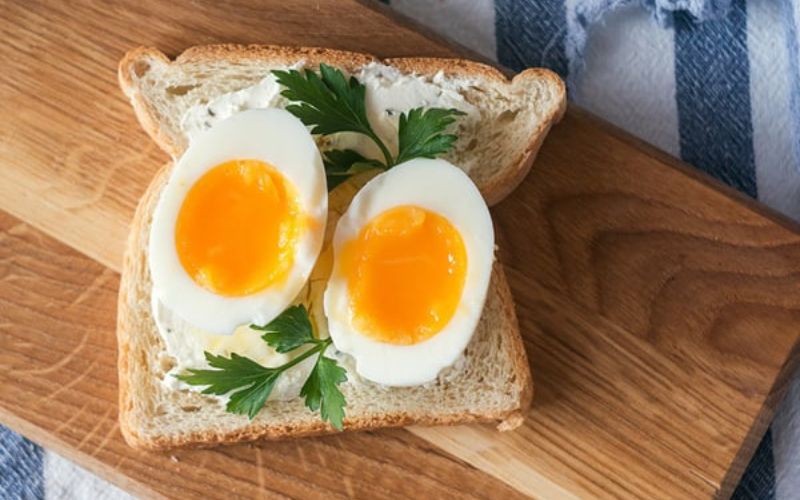
Remember that babies’ appetites vary significantly day to day. Follow your baby’s hunger and fullness cues rather than forcing predetermined amounts. A whole egg 2-3 times per week fits well within a balanced baby diet once eggs are established.
==> How Much Should a 6 Month Old Eat? The Complete Nutritional Guide for Parents
Signs to watch for after the first introduction
Monitoring your baby after egg introduction is crucial for identifying any adverse reactions early. When can baby eat eggs safely depends partly on recognizing and responding appropriately to any concerning signs.
- Immediate reactions (within minutes to 2 hours): Watch for skin changes like hives, redness, or swelling around the mouth. Digestive symptoms might include vomiting, unusual fussiness, or apparent stomach discomfort. Respiratory signs could include coughing, wheezing, or changes in breathing patterns.
- Delayed reactions (2-72 hours): Some reactions may take longer to appear. Monitor for changes in stool consistency or frequency, unusual irritability, sleep disruptions, or worsening of existing eczema. These delayed reactions can still indicate food sensitivity or intolerance.
- Positive signs: Most babies tolerate eggs well, showing normal digestion, continued interest in eating, and no unusual symptoms. Good tolerance of the first small amount indicates you can proceed with gradually increasing portions in subsequent feedings.

If you notice any concerning symptoms, stop offering eggs and consult your pediatrician. Keep detailed notes about timing, symptoms, and duration to help healthcare providers make appropriate recommendations.
Egg Allergies and Risks for Babies
While eggs provide exceptional nutritional benefits, they’re also among the most common food allergens in infancy and early childhood. Understanding these risks helps parents make informed decisions about when can babies eat eggs and how to recognize potential problems early.
Symptoms of egg allergies to monitor
Egg allergy symptoms can range from mild to severe, and recognizing them quickly is essential for your baby’s safety. When can babies start eating eggs becomes a more complex question when family history or other factors suggest increased allergy risk.
Mild to moderate symptoms typically appear within minutes to two hours after eating eggs. Skin reactions are often the first sign, including hives (raised, red, itchy welts), general skin redness, or swelling of lips, face, or eyelids. Digestive symptoms might include vomiting, diarrhea, unusual fussiness, or apparent abdominal pain manifested through crying and leg drawing.
Respiratory symptoms can include a runny nose, sneezing, coughing, or wheezing. Eye symptoms might involve excessive tearing, redness, or apparent itchiness, indicated by rubbing. These symptoms, while concerning, are generally not life-threatening but require immediate attention and medical consultation.

Severe symptoms (anaphylaxis) are rare but extremely serious, requiring emergency medical treatment. These include difficulty breathing, severe swelling of the face or throat, rapid pulse, dizziness, loss of consciousness, or severe whole-body reaction. If any of these symptoms occur, call emergency services immediately and use epinephrine if prescribed.
Delayed symptoms can occur hours to days after egg consumption and might include worsening eczema, persistent digestive upset, unusual irritability, or failure to thrive. These delayed reactions can be subtler but still indicate problematic sensitivity requiring medical evaluation.
How to treat an egg allergy in children
Managing egg allergy requires a comprehensive approach involving strict avoidance, medical supervision, and emergency preparedness. When can baby eat eggs becomes “never” for children with confirmed egg allergies until they potentially outgrow the condition.
Complete avoidance is the cornerstone of egg allergy management. This extends beyond obvious egg-containing foods to include many processed foods, baked goods, mayonnaise, and even some vaccines that may contain egg proteins. Careful label reading becomes essential, as eggs can appear under various names, including albumin, lecithin, or lysozyme.
Medical diagnosis and monitoring should involve consultation with a pediatric allergist who can perform appropriate testing, including skin prick tests, blood tests measuring specific IgE antibodies, or supervised oral food challenges in clinical settings. Regular follow-up is important since many children outgrow egg allergies, particularly those that begin in infancy.

Emergency preparedness may include prescription antihistamines for mild reactions and epinephrine auto-injectors for severe allergies. Parents and caregivers must receive proper training on recognizing serious reactions and using emergency medications correctly.
Alternative nutrition planning ensures your baby receives adequate protein and nutrients typically provided by eggs. Work with a pediatric dietitian to identify suitable alternatives and prevent nutritional deficiencies while maintaining dietary variety and interest.
Choking hazards related to egg textures and how to avoid them
Understanding choking risks associated with different egg preparations helps answer when can babies eat scrambled eggs and other forms safely. Proper preparation and supervision significantly reduce these risks.
High-risk preparations include large pieces of hard-boiled egg white, which can be slippery and difficult to chew, and dry, crumbly hard-boiled egg yolk that can cause gagging. Whole or large pieces of any egg preparation pose choking risks for babies under 12 months.
Safe preparation methods vary by age and developmental stage. For babies 6-9 months, mash hard-boiled eggs thoroughly, adding breast milk, formula, or water to achieve a smooth consistency. When can babies eat scrambled eggs safely typically begins around 7-8 months when offered in very small, soft pieces no larger than pea-size.

Supervision and safety measures include ensuring your baby sits upright in a proper high chair during all meals, staying within arm’s reach throughout eating, and learning infant CPR before introducing solid foods. Never leave your baby unattended while eating, and remove any large pieces that might pose choking risks.
Progressive texture introduction should follow your baby’s developmental readiness rather than chronological age alone. Some babies develop chewing skills earlier or later than others, making individual assessment important for determining appropriate egg textures and preparations.
Best Egg Dishes and Preparations for Babies
Choosing appropriate egg preparations is crucial for both safety and acceptance. Understanding which preparations work best at different developmental stages helps parents optimize when can babies eat eggs in various forms while ensuring safety and nutritional benefits.
Which egg forms are safest and easiest for babies (scrambled, hard-boiled, pureed)
Pureed eggs (6+ months) represent the safest starting point for most babies. Hard-boil an egg until completely firm, then mash or puree until smooth, adding breast milk, formula, or water to achieve appropriate consistency. This preparation eliminates choking risks while providing full nutritional benefits and can be easily combined with other familiar foods.
Mashed hard-boiled eggs (6-9 months) offer slightly more texture as babies develop. Mash thoroughly but leave some small, soft lumps to encourage chewing development. Ensure adequate moisture to prevent a dry, crumbly texture that could cause gagging. This preparation works well mixed with vegetables or fruits your baby already enjoys.
Scrambled eggs (7+ months) become appropriate when babies can handle soft lumps and small pieces. When can babies eat scrambled eggs depends on individual development, but most babies can manage very small, soft pieces by 7-8 months. Cook thoroughly over medium-low heat, keeping eggs moist and tender, then chop into pea-sized pieces.

Omelet strips (9+ months) work well for babies developing pincer grasp and self-feeding skills. Cook omelets until completely firm, then cut into finger-width strips that babies can hold and gnaw. Avoid adding salt, excess fat, or strong seasonings that might be inappropriate for young digestive systems.
Hard-boiled egg pieces (10+ months) suit babies with well-developed chewing skills. Cut both whites and yolks into small, manageable pieces, being particularly careful with egg whites that can be slippery. Consider mixing pieces with other foods to improve texture and reduce choking risk.
Dishes to avoid (raw eggs, heavily salted or spiced)
Understanding inappropriate preparations is as important as knowing safe options. Several egg preparations pose unnecessary risks and should be avoided entirely during infancy and early childhood.
Raw or undercooked eggs present serious health risks and should never be offered to babies. This includes obvious sources like raw cookie dough or cake batter, but also less obvious items like homemade mayonnaise, some salad dressings, or soft-cooked eggs with runny yolks. The risk of Salmonella poisoning is particularly high in young children with developing immune systems.
Heavily salted preparations strain babies’ immature kidneys and should be avoided. This includes restaurant-prepared eggs, many processed egg products, and home preparations with added salt. Babies under 12 months should consume less than 1 gram of salt daily, making most commercially prepared egg dishes inappropriate.

Strongly spiced eggs can cause digestive upset and may be too intense for developing palates. Avoid preparations with hot peppers, strong herbs, or complex spice blends. When can baby eat eggs with mild seasonings typically begins after 12 months, starting with very gentle herbs like parsley or chives.
High-fat preparations like eggs cooked in excessive butter or oil provide unnecessary calories and may cause digestive discomfort. While some fat is necessary for nutrient absorption, moderate amounts are sufficient for babies’ needs.
Processed egg products often contain additives, preservatives, or excessive sodium, which is inappropriate for babies. Stick to fresh, whole eggs prepared simply at home, where you can control all ingredients and cooking methods.
Conclusion
Understanding when can babies eat eggs goes beyond just the right age—it includes safe introduction, proper preparation, and watching for reactions. The best time to start is around 6 months, aligning with other solids and helping reduce allergy risks. Proper cooking and texture adjustment are key to safety, especially as babies progress from purees to small pieces. Eggs offer important nutrients like protein and choline, which are vital for growth.
Knowing when can baby eat eggs safely means being aware of allergy signs and choking hazards. For example, when can babies eat scrambled eggs depends on their chewing skills, usually starting around 7-8 months.
Because every baby is unique, it’s important to consult a pediatrician before introducing eggs, especially if there’s eczema, allergy history, or other health concerns. This personalized advice helps answer when can babies start eating eggs and when can a baby eat eggs safely.
In short, with the right knowledge and guidance, eggs can be a nutritious, safe part of your baby’s diet and a positive step in their food journey.