

 Tiếng Việt
The debate between brown rice vs white rice has been ongoing for decades among health-conscious consumers. In fact, brown rice is healthier than white rice in some aspects of nutrition. In this article, AK FOOD will demonstrate a comprehensive guide that examines the scientific evidence behind both rice varieties to help you determine which option best suits your dietary needs.
Overview of brown rice and white rice
Both brown rice vs white rice originate from the same plant species, Oryza sativa, but undergo different processing methods that fundamentally alter their nutritional profiles and culinary characteristics. Understanding these foundational differences provides crucial context for making informed dietary decisions about which variety to incorporate into your meals.
Brown rice
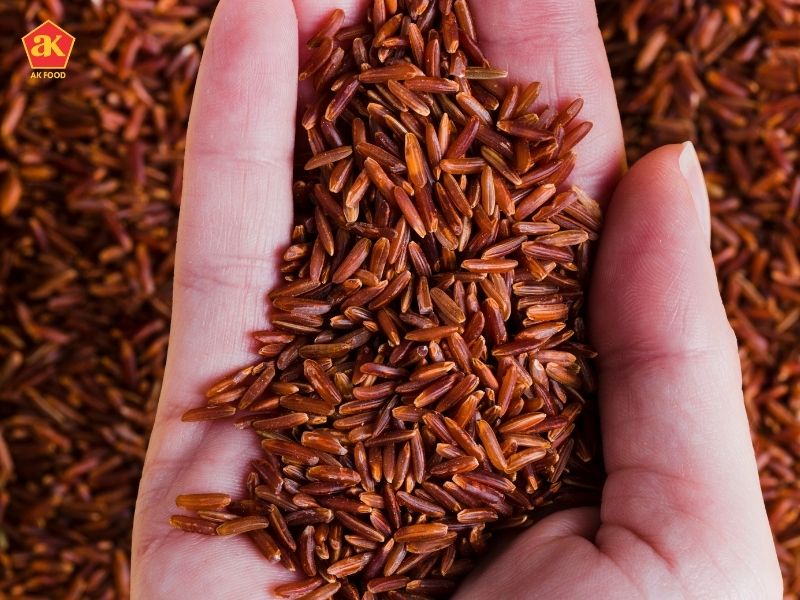
Brown rice represents the whole grain form of rice, retaining all three essential components of the original grain: the bran layer, germ, and endosperm. This minimal processing approach preserves the grain’s natural fiber content, essential oils, and concentrated nutrients that would otherwise be removed during refinement processes.
The distinctive tan color of brown rice comes from the intact bran layer, which contains most of the grain’s fiber, B vitamins, and antioxidants. This outer layer also contributes to brown rice’s characteristic nutty flavor and slightly chewy texture that many health-conscious consumers have come to appreciate.
From a nutritional standpoint, brown rice delivers significantly higher levels of manganese, phosphorus, selenium, and magnesium compared to its white counterpart. The presence of the germ layer also provides essential fatty acids and vitamin E, making brown rice a more nutritionally complete option for those prioritizing whole food consumption.
White rice
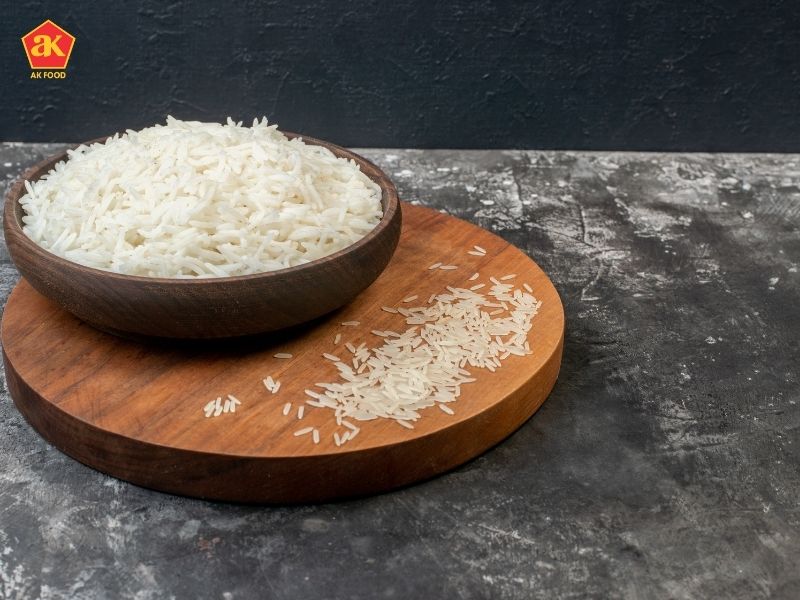
White rice undergoes extensive processing that removes both the bran layer and germ, leaving only the starchy endosperm. This refinement process creates the familiar white appearance and soft texture that has made white rice a staple food across numerous cultures worldwide.
The milling process that creates white rice also removes most of the fiber, vitamins, and minerals naturally present in the whole grain. However, many white rice varieties sold in North America are enriched with synthetic vitamins and minerals to partially compensate for these losses, particularly iron, thiamine, niacin, and folic acid.
Despite its lower nutrient density compared to brown rice, white rice offers certain practical advantages, including shorter cooking times, longer shelf life, and a milder flavor that pairs well with diverse cuisines. These characteristics have contributed to white rice’s widespread adoption in both home cooking and commercial food production.
Differences between brown rice and white rice
The distinction between white rice vs brown rice extends far beyond appearance, encompassing significant variations in nutritional composition, cost considerations, and practical cooking applications. Examining these differences through detailed comparison helps illuminate why nutritionists often recommend brown rice while acknowledging the continued popularity of white rice varieties.
| Nutritional component | Brown rice (1 cup cooked) | White rice (1 cup cooked) |
| Calories | 248 | 242 |
| Carbohydrates | 51g | 53g |
| Protein | 5.5g | 4.4g |
| Fat | 2g | 0.6g |
| Fiber | 4g | 0.6g |
| Magnesium | 83mg | 24mg |
| Phosphorus | 208mg | 69mg |
| Selenium | 23mcg | 19mcg |
| Manganese | 2.2mg | 0.7mg |
| Niacin (B3) | 5mg | 3mg |
| Glycemic index | 50-55 | 70-75 |
Nutrition values
The nutritional comparison between brown vs white rice reveals substantial differences in micronutrient density and fiber content. Brown rice provides nearly seven times more fiber than white rice, delivering 4 grams per cup compared to white rice’s modest 0.6 grams. This fiber difference significantly impacts digestive health and blood sugar regulation.
Mineral content shows even more dramatic variations, with brown rice containing three times more magnesium, triple the phosphorus, and over three times the manganese found in white rice. These minerals play crucial roles in bone health, energy metabolism, and antioxidant enzyme function, respectively.
The vitamin profile also favors brown rice, particularly for B-complex vitamins that weren’t added back during enrichment processes. However, enriched white rice often contains higher levels of certain added nutrients like folic acid and iron, which can benefit specific populations with increased needs for these nutrients.
Calories
Caloric differences between the two rice varieties are relatively modest, with brown rice containing approximately 6 more calories per cooked cup than white rice. This minimal difference means that calorie considerations alone shouldn’t drive the decision between white vs brown rice for most individuals managing their weight.
However, the quality of these calories differs significantly due to brown rice’s higher fiber and protein content. The increased fiber promotes satiety, potentially leading to reduced overall caloric intake throughout the day. This effect can be particularly beneficial for individuals following weight management programs.
The protein content difference, while seemingly small at just over 1 gram per cup, represents a 25% increase in brown rice compared to white rice. For individuals following plant-based diets or seeking to optimize protein intake from whole food sources, this difference can contribute meaningfully to daily protein goals.
Price
Cost considerations often influence rice selection, with white rice typically priced lower than brown rice in most North American markets. This price difference reflects both processing costs and market demand, with white rice’s longer shelf life also contributing to lower retail prices through reduced spoilage losses.
Brown rice’s higher price point stems from minimal processing requirements that preserve natural oils, making it more susceptible to rancidity and requiring more careful storage and handling. However, the price premium for brown rice vs white rice nutrition benefits often amounts to just pennies per serving when calculated on a per-meal basis.
For budget-conscious consumers, buying brown rice in bulk quantities or choosing store brands can help minimize cost differences while still accessing superior nutritional benefits. Many retailers now offer competitive pricing on brown rice varieties as demand has increased among health-conscious shoppers.
Is brown rice or white rice healthier?
Brown rice is the healthier option with superior fiber content (3.5g vs 0.6g per cup), higher mineral density (4x magnesium, 3x phosphorus), and stronger antioxidant profile (2-3x total phenolics) compared to white rice, according to research from Harvard T.H. Chan School of Public Health and peer-reviewed studies in Journal of Nutritional Science and Vitaminology (Lee et al., 2019) and Food Science and Nutrition (Goufo & Trindade, 2014).
The fiber advantage of brown rice extends beyond digestive health to include cardiovascular benefits through cholesterol reduction and improved blood pressure regulation. Studies indicate that individuals consuming three servings of whole grains daily, including brown rice, show a 20-30% lower risk of cardiovascular disease compared to those primarily consuming refined grains.
Brown rice’s lower glycemic index (50-55) compared to white rice’s higher value (70-75) makes it particularly beneficial for blood sugar management. This difference proves especially important for individuals with diabetes or prediabetes, as brown rice produces more gradual blood glucose elevation and improved insulin sensitivity over time.
However, white rice isn’t without merit in certain circumstances. The easier digestibility makes it appropriate for individuals with inflammatory bowel conditions or those recovering from gastrointestinal illness. The enrichment process also ensures adequate folic acid intake, which is particularly important for pregnant women and individuals with limited dietary variety.
For most healthy adults, choosing brown rice provides superior long-term health benefits through improved nutrient intake and better blood sugar regulation. The transition from white to brown rice can be gradual, mixing varieties initially to allow taste preferences to adapt while gaining nutritional advantages.
Brown rice and white rice for weight loss: Which one is better?
When it comes to weight loss, brown rice outperforms white rice thanks to its superior fiber, protein, and metabolic benefits that promote satiety and sustainable calorie control.
Brown rice’s higher fiber content creates longer-lasting fullness, naturally cutting daily calorie intake and simplifying portion control—no strict dieting required. Its modest protein edge boosts satiety further and raises the thermic effect of food, so your body burns more calories digesting it than white rice. Paired with better blood sugar stability, this curbs cravings for sugary snacks and keeps energy steady.
Research backs this up: A meta-analysis (Fatahi et al., 2021) found brown rice led to greater losses in body weight (−1.63 kg), BMI (−0.58 kg/m²), and waist circumference (−2.56 cm) versus white rice in calorie-controlled diets. Clinical trials (Shimabukuro et al., 2014) also show it reduces visceral fat more effectively and improves metabolic health.
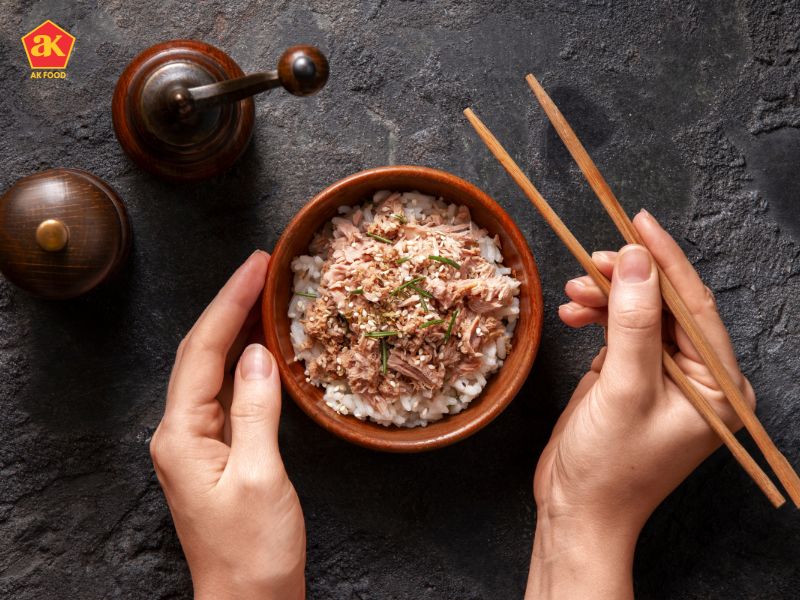
Enjoy delicious Fresh Brown Rice from AK FOOD
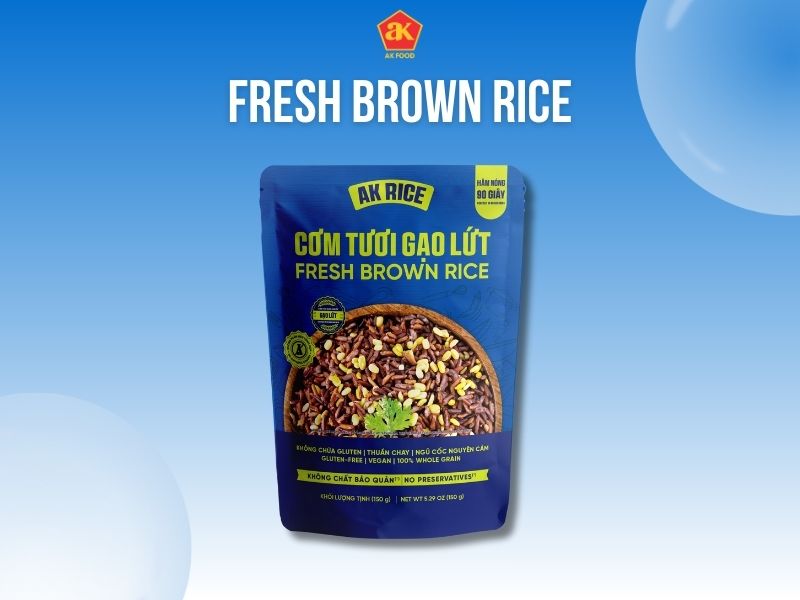
For anyone seeking convenient access to high-quality brown rice without compromising nutritional benefits, AK FOOD offers innovative instant brown rice products that deliver whole grain nutrition in just 3-5 minutes of preparation time. These ready-to-eat options eliminate the traditional 45-60 minute cooking requirement that often deters busy families from choosing brown rice.
AK FOOD’s fresh brown rice products utilize advanced Japanese packaging technology and natural ingredients certified to international quality standards including ISO 9001, ISO 22000, and HACCP certifications. This combination ensures that each serving delivers the complete nutritional profile of traditional brown rice while meeting the convenience demands of modern lifestyles.
Available varieties include traditional brown rice as well as enhanced blends featuring lotus seeds, chickpeas, and other nutrient-dense additions that further boost the protein and fiber content. These combinations create satisfying meals that support weight management goals while delivering superior nutrition compared to conventional refined grain options.
The aluminum packaging technology, originally developed for space food applications, ensures product freshness without preservatives while maintaining shelf stability for convenient pantry storage. This innovation makes it practical for health-conscious consumers to maintain consistent access to quality brown rice regardless of their cooking schedule or meal planning constraints.
In conclusion, when comparing brown rice vs white rice, the evidence clearly supports brown rice as the superior choice for most consumers seeking optimal nutrition, weight management benefits, and long-term health outcomes. Ready to make the switch to healthier brown rice options? Visit AK FOOD today to explore our complete selection of instant brown rice products and discover how easy it can be to upgrade your family’s nutrition with convenient, delicious whole grain meals that fit perfectly into your daily routine.