

 Tiếng Việt
Starting solids is a special milestone in your baby’s growth. This guide shows you how to introduce solids to baby in a safe and effective way, helping your child build healthy eating habits from the beginning. If you’re not sure how to introduce solids to breastfed baby, it also offers clear, practical advice tailored for breastfed infants. With simple tips and proven strategies, you’ll feel more confident during this important stage.
When to start baby food: Getting the timing right
The transition period requires careful observation of developmental signs and adherence to pediatric guidelines to ensure your baby is truly ready for this significant change.
Perfect age for starting solids
The American Academy of Pediatrics and World Health Organization consistently recommend starting solid foods around 6 months of age.
- Around 6 months: At approximately 6 months, babies have developed sufficient head and neck control to sit upright with support, making swallowing safer and more efficient. Their digestive enzymes have matured enough to process foods beyond breast milk or formula, and their iron stores from birth begin to deplete, making additional iron sources essential.
- 4-6 months: While 6 months represents the ideal starting point, some babies may show readiness signs as early as 4 months. However, introducing solids before 4 months is not recommended as it may increase the risk of allergies, digestive issues, and choking. The how to introduce solids to baby schedule should always prioritize individual readiness over calendar age
==> 20 Homemade Baby Food Recipes- Nutritious, Easy, and Delicious Meals for 6-12 Months
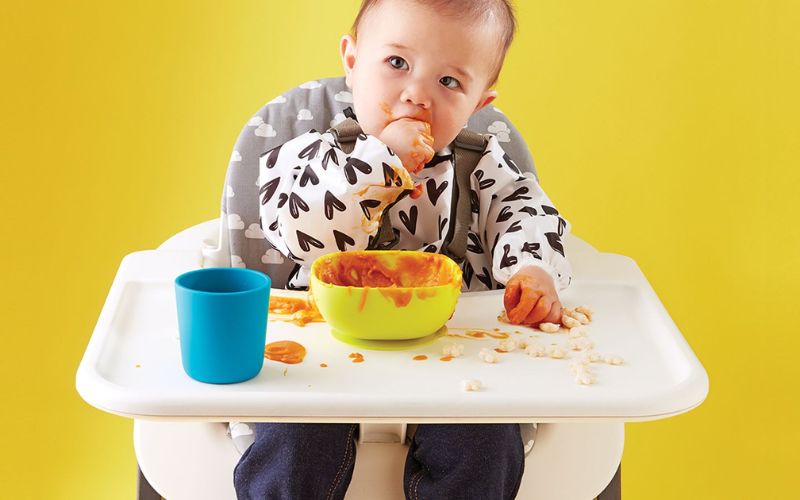
- Signs of readiness: Physical readiness indicators include the ability to sit upright with minimal support, good head control, and coordination to bring objects to their mouth. Behavioral signs include showing interest in family meals, reaching for food, opening their mouth when food approaches, and the disappearance of the tongue-thrust reflex that automatically pushes foreign objects out of the mouth.
First foods for baby: Step-by-step introduction
Selecting and introducing appropriate first foods requires systematic planning to ensure safety, nutrition, and positive feeding experiences.
==> 25 Nutritious Homemade Baby Food Recipes Every Parent Should Master
Best starter foods for your little one
Choosing nutritious, easily digestible first foods sets the foundation for healthy eating patterns. The focus should be on single-ingredient foods that provide essential nutrients while minimizing the risk of allergic reactions or digestive upset.
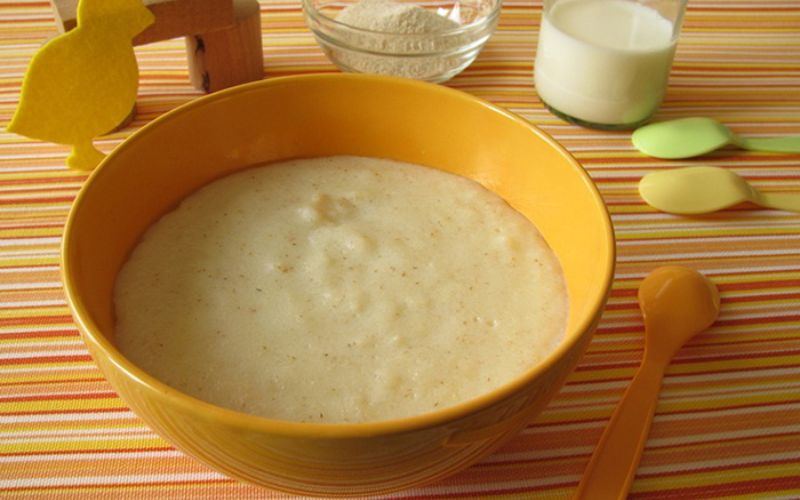
- Iron-fortified cereals: Iron-fortified infant cereals serve as excellent first foods because they provide crucial iron supplementation when babies’ natural iron stores begin declining around 6 months. Rice cereal is traditionally recommended first due to its low allergenicity, followed by oatmeal and barley cereals. These cereals should be mixed with breast milk or formula to achieve a thin, smooth consistency.
- Single vegetable purees: Vegetables like sweet potato and carrots offer natural sweetness that appeals to babies while providing essential vitamins and minerals. Sweet potatoes are rich in beta-carotene and vitamin A, supporting healthy vision and immune function. Carrots provide similar benefits and have a naturally sweet taste that most babies readily accept.
- Single fruit purees: Fruits provide natural sweetness, vitamins, and fiber to support healthy digestion. Apples and pears should be cooked and pureed until smooth, while ripe bananas can be simply mashed. These fruits are generally well-tolerated and provide vitamin C, potassium, and other essential nutrients.
- One food at a time: The single-ingredient approach allows parents to identify potential food allergies or sensitivities easily. Waiting 3-5 days between introducing new foods provides sufficient time to observe any adverse reactions such as rashes, digestive upset, or unusual fussiness.
==> Stage 1 Baby Food Essentials – Nutrition and Safety for Beginners
Safe feeding practices for beginners
Implementing proper feeding techniques ensures safety while creating positive mealtime experiences. Understanding how to introduce baby to solids safely involves attention to texture, portion sizes, feeding frequency, and maintaining primary nutrition sources.
- Start with smooth, thin purees: Initial textures should be completely smooth and thin enough to flow easily off a spoon. This consistency minimizes choking risk while allowing babies to practice swallowing motions. Purees can be thinned with breast milk, formula, or cooled boiled water to achieve the appropriate consistency.
- Begin with 1-2 teaspoons: Starting with very small amounts allows babies to adjust gradually to new tastes and textures without overwhelming their digestive systems. One to two teaspoons provides sufficient opportunity for taste exploration while minimizing waste if the food is rejected.
==> Beef puree for baby a healthy and tasty option for first foods

- Feed once daily initially: Beginning with one feeding session per day allows babies to adapt slowly while maintaining their primary milk feeding schedule. This approach also provides parents with opportunities to observe their baby’s reactions and adjust techniques as needed.
- Keep breast milk/formula as main nutrition: During the initial months of solid food introduction, breast milk or formula continues to provide the majority of nutritional needs. Solid foods serve as supplements to introduce new flavors, textures, and additional nutrients rather than replacing milk feedings.
Baby feeding timeline: What to expect at each stage
Understanding the progression of feeding skills and nutritional needs helps parents adjust their approach as babies develop. Each stage builds upon previous skills while introducing new challenges and opportunities for growth.
==> Baby-Led Weaning Made Easy: Expert Tips for Introducing Solid Foods with Confidence
6-8 Months: First tastes
The initial stage focuses on sensory exploration and basic swallowing skill development. Babies learn to coordinate tongue and jaw movements while experiencing new tastes and textures for the first time.
- Texture: Foods should maintain a completely smooth, uniform consistency without any lumps or pieces that could pose choking hazards. The texture should be thin enough to flow easily but thick enough to stick slightly to a spoon.
- Amount: As babies become more comfortable with eating, portions can gradually increase from initial teaspoon amounts to 2-4 tablespoons per feeding session. This progression should follow the baby’s appetite cues rather than predetermined targets.

- Frequency: By the end of this stage, babies typically manage 2-3 solid food meals per day while continuing regular milk feedings. The timing should complement rather than replace breast milk or formula sessions.
8-10 Months: Expanding flavors
This stage introduces more complex textures and flavor combinations while continuing to build eating skills. Babies develop better chewing motions and hand-eye coordination during this period.
- Texture: Foods can progress to mashed consistency with small, soft pieces that dissolve easily in the mouth. Well-cooked vegetables, soft fruits, and finely minced meats become appropriate options.
- Amount: Portion sizes increase as babies’ appetites grow and their ability to consume larger quantities improves. The focus should remain on following hunger and satiety cues rather than forcing predetermined amounts.

- Frequency: Babies typically establish a more regular eating pattern with three main meals supplemented by healthy snacks. This schedule helps maintain steady energy levels and supports continued growth.
==> How to cook carrots for baby a simple guide for healthy first foods
10-12 Months: Self-feeding starts
The final stage of the first year emphasizes independence and finger food exploration. Babies develop pincer grasp skills and begin showing preferences for self-feeding over spoon-feeding.
- Texture: Foods can include soft finger foods cut into appropriate sizes, such as well-cooked pasta, soft fruit pieces, and tender meat strips. The key is ensuring all foods can be easily mashed between gums or dissolve quickly in the mouth.
- Amount: Portion sizes continue increasing as babies become more efficient eaters and their nutritional needs from solid foods grow. Individual appetite variations remain normal and should be respected.

- Self-feeding: Supporting self-feeding attempts, even when messy, promotes motor skill development and positive associations with mealtime. Providing appropriate finger foods and allowing exploration builds confidence and eating competence.
Starting solids safety: Essential guidelines
Safety considerations are paramount when introducing solid foods to prevent choking, allergic reactions, and foodborne illnesses.
Foods to avoid in the first year
Certain foods pose specific risks to infants and should be avoided during the first year of life.
- No honey (under 12 months): Honey and products containing honey should never be given to babies under one year due to the risk of infant botulism. Clostridium botulinum spores present in honey can cause serious illness in infants whose immune systems are not yet mature enough to prevent toxin production.
- No whole nuts or hard foods: Whole nuts, popcorn, hard candies, and similar foods present significant choking hazards and should be avoided. Even small pieces of hard foods can block airways or become lodged in the throat.
==> How Long Is Homemade Baby Food Good For? The Ultimate Storage Guide for New Parents

- No cow’s milk as main drink: While small amounts of cow’s milk can be used in cooking, it should not replace breast milk or formula as the primary beverage. Cow’s milk lacks appropriate nutrient ratios for infant development and may interfere with iron absorption.
- Cut foods to prevent choking: All foods should be cut into appropriate sizes and shapes to minimize choking risk. Round foods like grapes should be quartered lengthwise, and all foods should be small enough to pass through a baby’s airway safely.
Baby food allergies: Prevention and monitoring
Modern allergy prevention strategies emphasize early introduction of potentially allergenic foods rather than delayed exposure.
- Introduce common allergens after 6 months: Current guidelines recommend introducing common allergens including eggs, peanuts, tree nuts, fish, shellfish, soy, wheat, and dairy around 6 months of age, particularly for babies at higher risk of developing allergies.
- Start with small amounts: Initial exposure to allergenic foods should involve very small amounts mixed with familiar foods. This approach allows for reaction monitoring while supporting tolerance development.
==> When Can Babies Eat Solid Food? A Complete Guide for Parents

- Watch for reactions: Signs of allergic reactions can include skin rashes, swelling, vomiting, diarrhea, or respiratory symptoms. Severe reactions requiring immediate medical attention include difficulty breathing, widespread swelling, or loss of consciousness.
- Don’t delay allergenic foods: Research consistently shows that early introduction of allergenic foods reduces rather than increases allergy risk. Delaying introduction beyond 6-12 months may actually increase the likelihood of developing food allergies.
Perfect solution: AK Food makes baby’s first foods easy
When learning how to introduce solids to baby, choosing high-quality, nutritionally appropriate foods can significantly simplify the process while ensuring optimal nutrition for growing babies. AK Food’s specialized baby food collection addresses the unique needs of each developmental stage.
Why choose AK Food for your baby food guide
AK Food’s commitment to nutrition science and food safety makes them an ideal partner for parents navigating solid food introduction. Their products are specifically designed to support healthy development while providing convenience for busy families.
- Stage-appropriate textures: AK Food’s products are carefully formulated to match the texture requirements of each developmental stage. From smooth purees for beginners to soft pieces for advanced eaters, each product supports skill progression while maintaining safety standards.
- Iron-fortified nutrition: Understanding that iron deficiency is a primary concern during the weaning period, AK Food ensures their products provide adequate iron supplementation to support healthy brain development and prevent anemia.

- 3-minute preparation: AK Food’s ready-to-serve format eliminates the time-consuming preparation required for homemade baby food while maintaining nutritional quality. This convenience allows parents to provide optimal nutrition even during busy schedules.
- 100% natural ingredients: All AK Food products use carefully selected natural ingredients without artificial additives, preservatives, or unnecessary sugars. This commitment to purity ensures that babies receive wholesome nutrition during this critical development period.
AK Food baby feeding collection
AK Food’s comprehensive product range supports babies throughout their solid food journey, providing appropriate options for each developmental stage and nutritional need.
- Stage 1 (6+ months): These single-ingredient purees provide the perfect introduction to solid foods with smooth textures and familiar flavors. The chicken variety offers essential protein and iron, while sweet potato and carrot provide vitamins and natural sweetness that babies typically enjoy.
- Stage 2 (8+ months): As babies develop chewing skills, these combination products introduce more complex flavors and slightly thicker textures. The protein-vegetable combinations provide balanced nutrition while supporting continued skill development.

- Stage 3 (10+ months): These products feature soft, manageable pieces that support self-feeding skill development while providing diverse flavors and textures. The mixed combinations expose babies to various tastes while supporting nutritional needs.
Common baby feeding challenges and solutions
Even with careful preparation and high-quality foods, parents often encounter feeding challenges during the solid food introduction process. Understanding common issues and evidence-based solutions helps maintain positive feeding experiences.
When baby refuses solid food
Food refusal is extremely common during solid food introduction and rarely indicates serious problems. Most feeding challenges resolve with patience, persistence, and appropriate strategies.
- Keep offering without pressure: Research shows that babies may need 8-10 exposures to a new food before accepting it. Continuing to offer refused foods without pressure or force helps babies develop acceptance over time while maintaining positive associations with mealtime.
- Mix with familiar flavors: Combining new foods with accepted flavors can increase acceptance while gradually expanding the palate. Mixing small amounts of new vegetables with accepted fruits or breast milk can ease the transition.

- Stay patient and positive: Maintaining calm, positive attitudes during feeding sessions helps babies develop healthy relationships with food. Avoiding battles over eating prevents negative associations while supporting natural hunger and satiety cues.
Managing digestive changes
The transition to solid foods naturally causes changes in digestion patterns. Understanding normal variations helps parents distinguish between typical adjustments and concerning symptoms.
- Normal bowel movement changes: As babies begin eating solid foods, their bowel movements naturally change in frequency, consistency, and odor. These changes are typically normal adaptations to new foods and increased fiber intake.
- Watch for constipation: Some babies experience constipation when starting solids, particularly with iron-fortified cereals or low-fiber foods. Offering high-fiber fruits like prunes or increasing fluid intake often resolves mild constipation.

- Maintain adequate fluids: While breast milk or formula continues providing primary hydration, babies may need additional water as solid food intake increases. Small amounts of water in a cup can support healthy digestion and prevent constipation.
Building healthy eating habits for life
The solid food introduction period establishes foundational eating patterns that influence long-term health and food relationships. Understanding how to introduce a breastfed baby to solids and creating positive feeding environments supports lifelong healthy eating habits.
Creating positive family mealtimes
Family meal dynamics significantly influence babies’ eating behaviors and food acceptance. Establishing positive mealtime environments supports healthy development while strengthening family bonds.
- Eat together as family: Including babies in family meals, even when they’re eating different foods, helps them learn appropriate eating behaviors through observation and modeling. This social aspect of eating supports healthy development and food acceptance.
- Let baby explore food: Allowing babies to touch, smell, and play with their food supports sensory development and food acceptance. While messy, this exploration is essential for developing positive relationships with food and eating competence.

- Respect hunger and fullness cues: Supporting babies’ natural ability to self-regulate intake prevents overeating patterns while building trust in their internal hunger and satiety signals. This foundation supports healthy weight management throughout life.
- Make eating fun, not stressful: Maintaining relaxed, enjoyable mealtimes helps babies develop positive associations with food and eating. Avoiding pressure, bribes, or battles over food supports healthy eating attitudes and behaviors.
Conclusion: Your complete starting solids success guide
Learning how to introduce solids to baby is a journey requiring patience and the right approach. Start around 6 months, follow safety guidelines, and choose quality first foods. Every baby learns at their own pace with proper guidance and nutritious options.
The transition from exclusive milk feeding to solid foods represents one of the most significant developmental milestones in your baby’s first year. By understanding proper timing, selecting appropriate first foods, following safety guidelines, and maintaining positive feeding environments, parents can support healthy development while building lifelong healthy eating habits.
Remember that the how to introduce solids to baby schedule should always be individualized based on your baby’s developmental readiness rather than strict adherence to calendar ages. Some babies may show readiness signs earlier or later than others, and this variation is completely normal.
Key takeaway: Successful baby food introduction means starting at 6 months, using safe foods, and ensuring proper nutrition for healthy development. With patience, appropriate foods like those offered by AK Food, and evidence-based practices, parents can navigate this exciting milestone with confidence while setting the foundation for a lifetime of healthy eating.