

 Tiếng Việt
Whole grains are one of the most important food groups for maintaining good health and preventing chronic diseases. It keeps all their natural goodness intact, providing fiber, vitamins, minerals, and powerful plant compounds that support your body in many ways. Understanding what whole grains are and how to include them in your daily diet can make a real difference in your overall health and well-being.
What are whole grains?
Whole grains are grains that contain all three parts of the grain kernel: the bran (outer layer), the germ (nutrient-rich core), and the endosperm (starchy middle layer). The term “whole grain” applies to any grain that hasn’t been stripped of these essential parts during milling or processing.
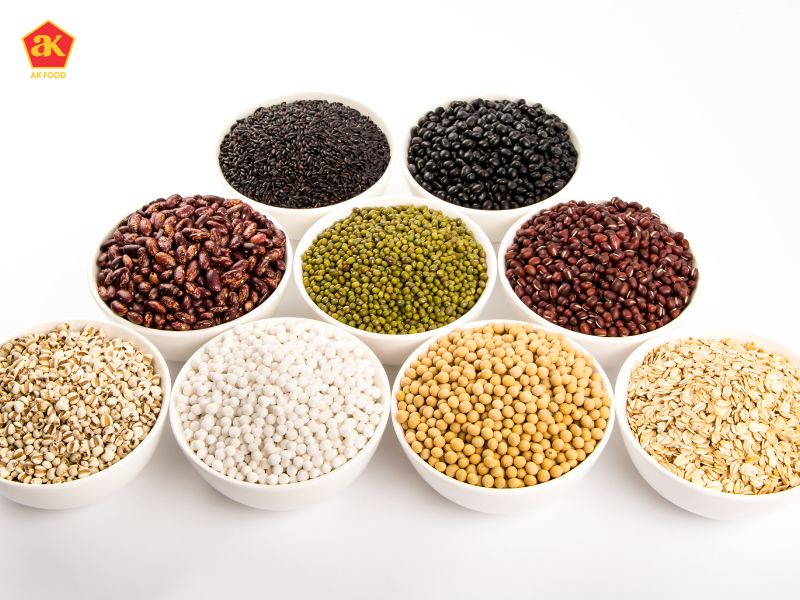
Common examples of whole grains include brown rice, oats, whole wheat, quinoa, barley, and corn. These grains can be eaten in their whole form (like brown rice or oat groats), cracked, split, or ground into flour—as long as all three parts of the kernel are present in the same proportions as they exist in nature. This complete structure is what gives whole grains their impressive health benefits and makes them a key part of a balanced diet.
Distinction between whole, refined, and enriched grains
Understanding the differences between whole, refined, and enriched grains is essential for making healthier food choices. Here’s how these three types compare:
| Grain type | Processing | Nutritional content | Health impact |
| Whole grains | Contains entire grain kernel (bran, germ, endosperm) intact | All natural nutrients, fiber, vitamins, minerals, and antioxidants preserved | Aids digestion, keeps you full longer, slows sugar absorption, provides complete nutrition |
| Refined grains | Bran and germ removed through milling | Most fiber, vitamins, minerals, and antioxidants removed; mainly starchy endosperm remains | Softer texture and longer shelf life but dramatically reduced nutritional value and health benefits |
| Enriched grains | Refined grains with some nutrients added back after processing | Iron and B vitamins (thiamine, riboflavin, niacin, folic acid) added back | Better than refined but still lacks fiber and many beneficial compounds; cannot match whole grain nutrition |
Varieties and nutritional profiles of whole grain list
Here’s a comprehensive look at popular whole grains and what makes each one nutritionally valuable. This whole grains list will help you understand the unique benefits of different options.
- Whole wheat: Contains all three parts of the wheat kernel, providing 3 grams of fiber per serving along with B vitamins, iron, magnesium, and antioxidant lignans that help protect against chronic diseases.
- Oats: Exceptional for their beta-glucan fiber that lowers bad cholesterol, providing 4 grams of fiber plus 69% daily manganese needs, phosphorus, thiamine, magnesium, and anti-inflammatory avenanthramides.
- Brown rice: Retains nutritious bran and germ, offering more fiber, manganese, selenium, magnesium, and B vitamins than white rice for energy production and metabolic health.
- Barley: One of the richest sources of heart-healthy beta-glucan fiber among grains, also providing selenium for immune function and antioxidants that reduce inflammation.
- Corn and popcorn: Contains antioxidants lutein and zeaxanthin for eye health, plus fiber and B vitamins when eaten as whole kernels, cornmeal, or air-popped popcorn.
- Quinoa: A complete protein with all nine essential amino acids, providing 8 grams of protein and 5 grams of fiber per cooked cup, plus iron, magnesium, and manganese—naturally gluten-free.
- Wild rice: Higher in protein than most whole grains, rich in antioxidants, B vitamins, zinc, phosphorus, and exceptionally high in fiber for digestive health and blood sugar control.
Health benefits of whole grains
Research consistently shows that eating whole grains regularly provides multiple health benefits that can significantly improve your quality of life and reduce disease risk.
Cardiovascular disease prevention
Whole grains play a powerful role in protecting your heart and blood vessels from disease. The fiber in whole grains, especially the beta-glucan found in oats and barley, helps lower LDL (bad) cholesterol levels by binding to cholesterol in your digestive system and removing it from your body. Beta-glucans form a gel-like substance in the gut that binds to dietary cholesterol and bile acids, which are then excreted through feces.
Studies show that eating three servings of whole grains daily can reduce your risk of cardiovascular disease by 22%. Whole grains also help lower blood pressure, reduce inflammation in blood vessels, and improve overall cholesterol profiles. The American Heart Association recommends eating three or more servings of fiber-rich whole grains every day as a key component of a heart-healthy diet.
Type 2 diabetes prevention
Eating whole grains instead of refined grains significantly reduces your risk of developing type 2 diabetes. The high fiber content slows down the digestion and absorption of carbohydrates, preventing rapid spikes in blood sugar levels. People who eat the most whole grains have up to 30% lower risk of type 2 diabetes compared to those who eat the least.
Research examining nearly 200,000 people found that oatmeal consumption was associated with a 21% reduction, dark bread with a 21% reduction, and whole grain cold breakfast cereals with a 19% reduction in diabetes risk. For people already managing diabetes, choosing whole-grain porridge varieties like steel-cut oats or brown rice porridge can help maintain better blood sugar control throughout the day.
Colorectal cancer risk reduction
Research shows a strong connection between whole grain consumption and reduced risk of colorectal cancer. The fiber in whole grains promotes regular bowel movements and reduces the time that waste stays in contact with the intestinal lining, which may help prevent cancer-causing compounds from forming. Whole grains also contain antioxidants, phytic acid, and other plant compounds that protect cells from damage and reduce inflammation. Studies indicate that eating 90 grams (about three servings) of whole grains daily is associated with a 17% lower risk of colorectal cancer.
Weight management support
Including whole grains in your diet can help with weight loss and weight maintenance. The high fiber content creates a feeling of fullness that lasts longer, helping you feel satisfied with fewer calories. A rigorous randomized controlled study found that choosing whole grains over refined grains increases resting metabolic rate by 43 calories per day. The total effect equals 92 extra calories burned daily just by switching to whole grains, which translates to approximately 9.5 pounds of potential weight loss over one year. People who regularly eat whole grains tend to have lower body weight and less belly fat compared to those who eat mostly refined grains.

Improved gut health and immune function
Whole grains serve as food for beneficial bacteria in your gut, promoting a healthy gut microbiome that’s essential for digestive health and strong immunity. A six-week study found that participants who consumed a whole-grain diet had increased Lachnospira, a short-chain fatty acid (SCFA) producer, together with decreased proinflammatory Enterobacteriaceae. The fiber in whole grains—both soluble and insoluble—promotes regular bowel movements, prevents constipation, and reduces symptoms like bloating and discomfort.
Whole grains are rich in zinc, selenium, and antioxidants that directly support immune function and protect your body against infections and oxidative stress. These nutrients work in synergy to support the growth and function of immune cells, enhancing the body’s ability to ward off harmful pathogens and diseases.
AK FOOD integrate whole grains into modern convenience
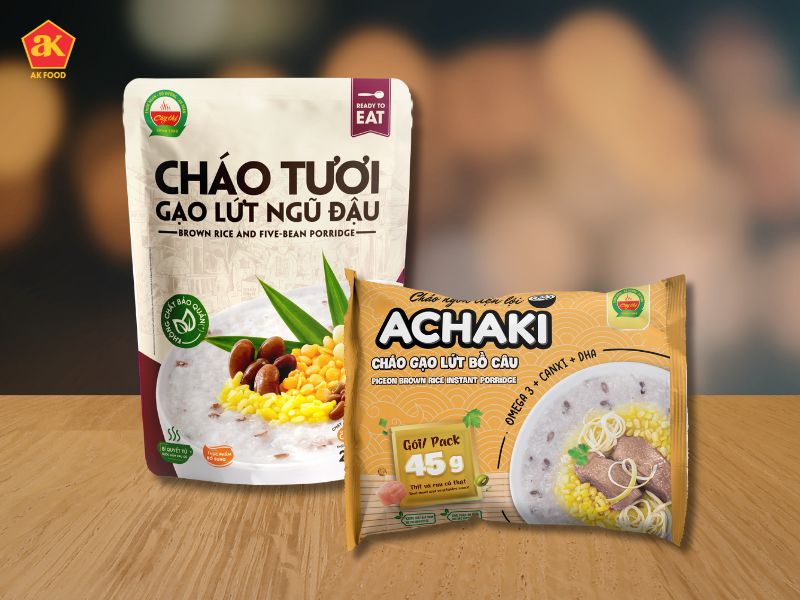
With 27 years of expertise, AK FOOD transforms whole grains into ready-to-eat meals without compromising health benefits. Specializing in fresh and instant porridges such as brown rice and five-beans porridge and Achaki pigeon brown rice instant porridge, they use 100% natural ingredients and Korean technology for 3-minute prep while preserving full nutrition.
The company’s commitment to whole grain nutrition extends beyond just rice-based products. AK FOOD’s product line includes fresh porridge varieties featuring whole grains combined with high-quality proteins like salmon, chicken, and seafood, creating balanced meals that support overall health. Their nutritious soups also emphasize whole food ingredients and natural nutrition. With FSSC, BRC, ISO, and HACCP certifications, AK FOOD ensures every product meets international food safety standards while delivering the authentic health benefits of whole grains.
Until now, whole grains have represented one of the most important dietary choices you can make for long-term health and disease prevention. In fact, the benefits of including whole grains in your daily diet are backed by extensive scientific research. Visit akfood.vn today to explore their complete range of whole grain-based products that combine 27 years of nutritional expertise with modern convenience.
References:
- Aune, D., Keum, N., Giovannucci, E., Fadnes, L. T., Boffetta, P., Greenwood, D. C., Tonstad, S., Vatten, L. J., Riboli, E., & Norat, T. (2016). Whole grain consumption and risk of cardiovascular disease, cancer, and all cause and cause specific mortality: Systematic review and dose-response meta-analysis of prospective studies. BMJ, 353, i2716.
- Sima, P., Vannucci, L., & Vetvicka, V. (2023). Viscous fiber from oats and barley: Keep them in your cholesterol-lowering portfolio. Annals of Translational Medicine, 11(17), 361.
- Kristensen, M., Toubro, S., Jensen, M. G., Ross, A. B., Riboldi, G., Petronio, M., Bügel, S., Tetens, I., & Astrup, A. (2012). A whole-grain diet reduces cardiovascular risk factors in overweight and obese adults: A randomized controlled trial. Journal of Nutrition, 142(3), 556-562.
- Lichtenstein, A. H., Appel, L. J., Vadiveloo, M., Hu, F. B., Kris-Etherton, P. M., Rebholz, C. M., Sacks, F. M., Thorndike, A. N., Van Horn, L., & Wylie-Rosett, J. (2021). 2021 Dietary guidance to improve cardiovascular health: A scientific statement from the American Heart Association. Circulation, 144(23), e472-e487.
- Ho, H. V. T., Jovanovski, E., Zurbau, A., Blanco Mejia, S., Sievenpiper, J. L., Au-Yeung, F., Jenkins, A. L., Duvnjak, L., Leiter, L., & Vuksan, V. (2020). Emerging science on benefits of whole grain oat and barley and their soluble dietary fibers for heart health, glycemic response, and gut microbiota. Nutrition Reviews, 78(Suppl 1), 13-20.
- Sun, Q., Spiegelman, D., van Dam, R. M., Holmes, M. D., Malik, V. S., Willett, W. C., & Hu, F. B. (2010). White rice, brown rice, and risk of type 2 diabetes in US men and women. Archives of Internal Medicine, 170(11), 961-969.
- Vanegas, S. M., Meydani, M., Barnett, J. B., Goldin, B., Kane, A., Rasmussen, H., Brown, C., Vangay, P., Knights, D., Jonnalagadda, S., Koecher, K., Karl, J. P., Thomas, M., Dolnikowski, G., Li, L., Saltzman, E., Wu, D., & Meydani, S. N. (2017). Substituting whole grains for refined grains in a 6-wk randomized trial has a modest effect on gut microbiota and immune and inflammatory markers of healthy adults. American Journal of Clinical Nutrition, 105(3), 635-650.