

 Tiếng Việt
If you’ve ever wondered exactly how many calories in uncooked white rice are packed into that cup before cooking, you’re not alone. Whether you’re tracking your nutrition, managing your weight, or just curious, understanding the calories in uncooked white rice before it hits the pot is a great starting point for smarter eating decisions.
Nutritional overview of uncooked rice
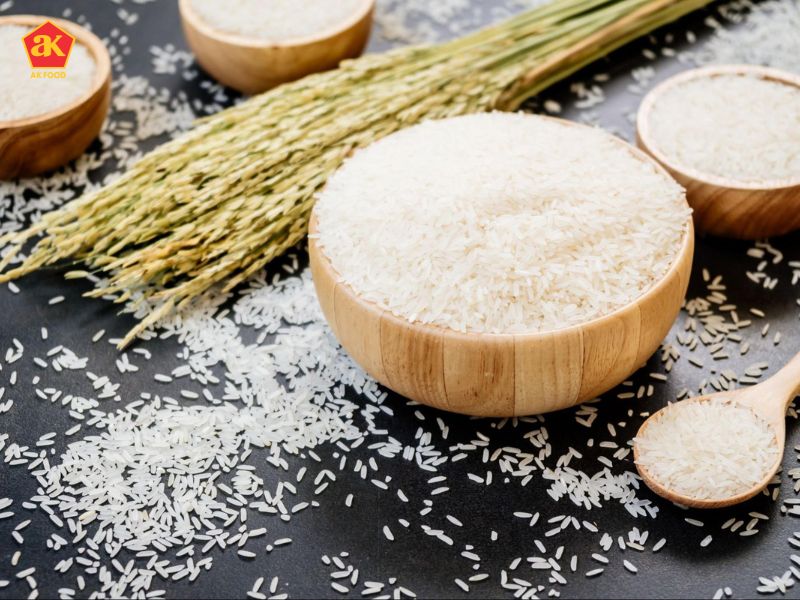
White rice in its raw, uncooked form is a dense source of carbohydrates and energy. Because it hasn’t absorbed any water yet, uncooked rice contains a much more concentrated amount of calories and macronutrients compared to the same weight of cooked rice. This is an important distinction to keep in mind when tracking food portions. In fact, 100g of uncooked rice is not the same as 100g of cooked rice on your plate.
Raw white rice is primarily made up of starchy carbohydrates, with small amounts of protein and very little fat. It also contains a range of important micronutrients including iron, B vitamins such as thiamine, niacin, and folate, and trace minerals like magnesium and phosphorus. Enriched varieties of white rice have these nutrients added back after milling, making them a reliable source of several essential vitamins and minerals for everyday diets.
Here’s a quick look at what 100g of uncooked white rice typically provides:
| Nutrients | Per 100g (uncooked) |
| Calories | ~360-365 kcal |
| Carbohydrates | ~79-80g |
| Protein | ~7g |
| Fat | ~0.6-1g |
| Fiber | ~1g |
| Iron | ~4mg (54% DV) |
| Calcium | ~28mg |
| Vitamin B6 | ~13% DV |
Calories in uncooked rice
The calories in uncooked white rice per 100g sit at approximately 360–365 kcal, depending on the variety such as long-grain, short-grain, jasmine, or basmati. This number is significantly higher than cooked rice, which averages around 129–130 kcal per 100g, simply because cooking causes the rice to absorb water and expand in size.
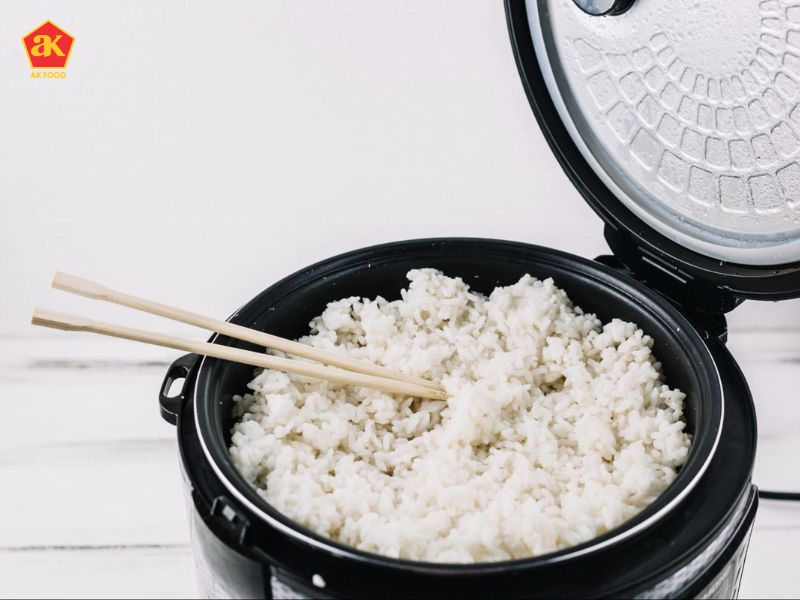
To put it simply: 100g of raw rice yields roughly 2.5–3 times that weight once cooked. So when you cook 100g of uncooked rice, you’ll end up with around 250–300g of cooked rice on your plate. This means the actual calories you’re eating per portion at the dinner table are much lower than the raw number suggests, which trips up many people when counting calories.
Here’s a quick breakdown by common portion sizes of uncooked white rice:
| Portion (uncooked) | Approximate Calories |
| 50g (¼ cup) | ~180 kcal |
| 100g (½ cup) | ~365 kcal |
| 150g (¾ cup) | ~545 kcal |
| 200g (1 cup) | ~730 kcal |
If you are tracking your calorie intake for weight management or meal planning, always weigh your rice before cooking for the most accurate measurement.
5 key health benefits of white rice
White rice often gets criticized compared to brown rice, but it still offers real health benefits when eaten as part of a balanced diet. Here are five reasons why white rice earns its place at the table.
Quick and efficient energy source
White rice is rich in simple carbohydrates that your body breaks down quickly into glucose, which is the main fuel for your brain and muscles. This makes it particularly useful for athletes, active individuals, or anyone who needs a fast energy boost before or after exercise. Unlike more complex food sources that take longer to digest, white rice provides energy rapidly, which is why it’s a staple in many sports nutrition plans. When paired with a source of protein and vegetables, it forms a well-rounded and energizing meal.
Easy to digest
One of the most practical benefits of white rice is how gently it sits in your stomach. The milling process removes the bran and germ, which also removes most of the insoluble fiber that can irritate the gut. This makes white rice one of the easiest foods to digest, particularly for people with sensitive stomachs, irritable bowel syndrome (IBS), gastritis, or anyone recovering from illness. Doctors and dietitians often recommend plain white rice as one of the first foods to eat when experiencing nausea, diarrhea, or digestive discomfort, as it’s gentle on the gastrointestinal tract while still providing energy.
Naturally gluten-free
White rice is 100% naturally gluten-free, making it a safe and versatile carbohydrate choice for people with celiac disease or gluten sensitivity. Many common grains like wheat, rye, and barley contain gluten proteins that trigger inflammation and digestive reactions in sensitive individuals. Rice, by contrast, contains no gluten at all, which is why it forms the backbone of so many gluten-free diets around the world. It’s also widely used in gluten-free products like rice flour, rice noodles, and rice-based porridge, giving people with dietary restrictions a familiar and reliable staple.
Source of vitamins and minerals
While white rice is not as nutrient-dense as whole grain varieties, enriched white rice still delivers meaningful amounts of key nutrients that support everyday health. A 100g serving of enriched uncooked white rice provides around 54% of the daily recommended intake for iron which is important for red blood cell production and oxygen transport, along with B vitamins like thiamine, niacin, and folic acid that support energy metabolism and nervous system function. Manganese, phosphorus, and selenium are also present in smaller amounts, contributing to bone health, cell repair, and immune protection.
Supports gut health via resistant starch
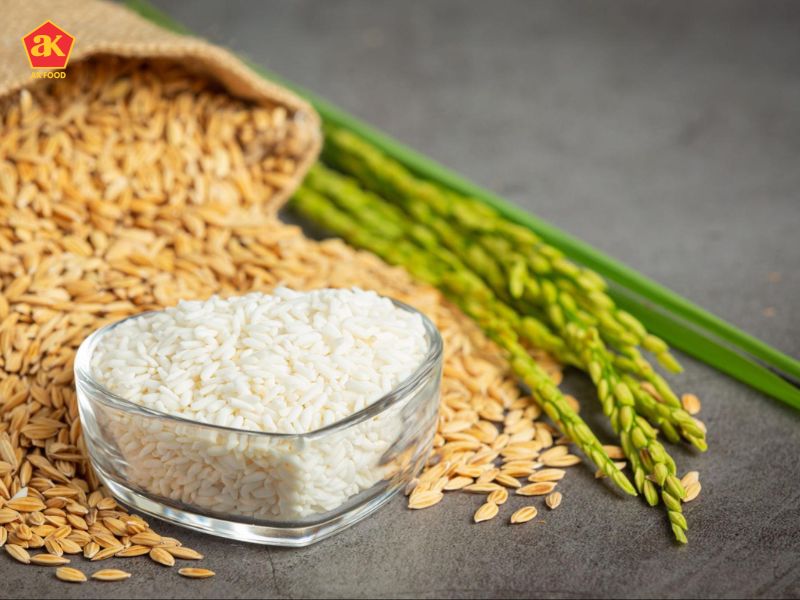
When white rice is cooked and then cooled, some of its digestible starch transforms into resistant starch, which is a type of fiber that feeds the beneficial bacteria in your gut. This process, known as retrogradation, means that eating cooled or reheated rice (like in a rice porridge or leftover rice dish) can have a prebiotic effect, supporting a healthier gut microbiome. A well-balanced gut microbiome is closely linked to better digestion, stronger immunity, and even improved mood.
Useful cooking tips to preserve nutrients in white rice
How you cook white rice can make a big difference to how nutritious your final meal is. Follow these simple tips to get the most out of every serving:
- Rinse before cooking, but don’t over-rinse: A quick rinse removes excess surface starch and any debris, but rinsing too many times can wash away water-soluble B vitamins that have been added to enriched rice.
- Use the absorption method: Cook rice by absorbing all the water (rather than boiling in excess water and draining), so you retain the vitamins that dissolve into the cooking liquid.
- Cook with broth instead of plain water: Using bone broth or vegetable broth adds flavor while also boosting the mineral content of your meal—a simple upgrade that makes a real difference nutritionally.
- Don’t overcook: Excessive heat and cooking time can break down heat-sensitive B vitamins. Cook rice just until the water is absorbed and the grains are tender.
- Cool and reheat for resistant starch: As mentioned above, cooking rice and then allowing it to cool before eating increases resistant starch content, which benefits your gut health. This applies to porridge and rice bowls alike.
- Pair with protein and vegetables: White rice on its own is a carbohydrate source—pair it with lean proteins like chicken, fish, or eggs and a variety of colorful vegetables to build a nutritionally complete meal.
Enjoy ready-to-eat white rice of AK FOOD
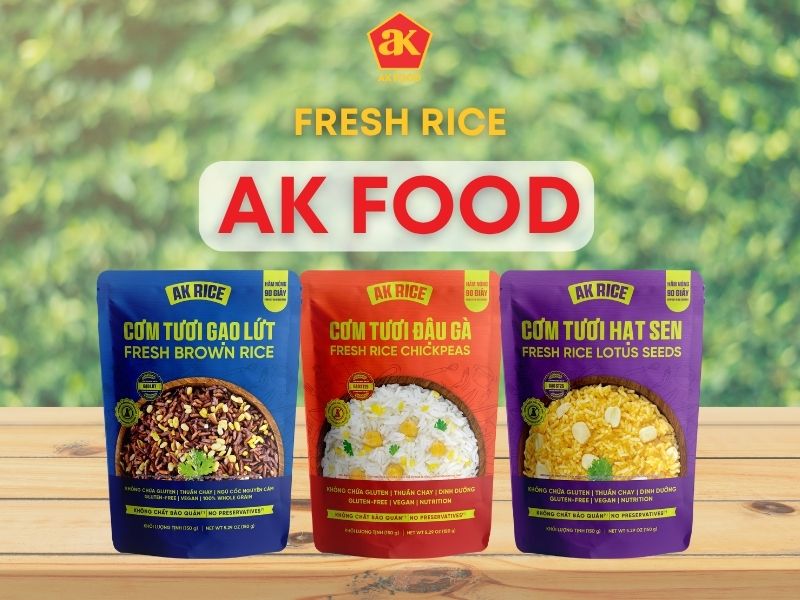
For people who love the nutrition and comfort of rice-based meals but don’t have time to cook from scratch every day, AK FOOD offers a convenient and high-quality solution. AK FOOD is Vietnam’s leading manufacturer of nutritious fresh porridge and rice-based products, with over 27 years of experience crafting meals that balance real nutrition with modern convenience.
AK FOOD’s fresh rice porridge products are made using whole grain rice varieties like brown, black, and red rice, slow-simmered to create a naturally creamy texture while retaining maximum nutritional value. Unlike traditional homemade porridge that can take 2–3 hours, AK FOOD’s ready-to-eat products are prepared in just 3–5 minutes without sacrificing quality or nutrition.
Whether you’re meal prepping for the week, looking for a healthy breakfast, or just need a quick and nourishing meal on a busy day, AK FOOD’s rice porridge range gives you all the benefits of white rice, enhanced with premium ingredients, expertly prepared, and ready in minutes.
FAQ about white rice
Is it healthy to eat rice every day?
Yes, eating white rice every day can be part of a healthy diet, as long as it’s balanced with other nutrient-rich foods. Billions of people across Asia have eaten rice as a daily staple for centuries without negative health effects. The key is portion control and pairing, combine rice with plenty of vegetables, lean protein, and healthy fats to ensure your overall diet is nutritionally complete. If you have diabetes or are managing blood sugar levels, speak with a healthcare professional about appropriate portions, since white rice has a higher glycemic index than brown rice or whole grains.
Is brown rice or white rice healthier?
Brown rice is technically more nutrient-dense than white rice because it retains the bran and germ layers, which contain more fiber, vitamins, minerals, and antioxidants. However, white rice is easier to digest, cooks faster, and is better suited for people with sensitive stomachs or digestive conditions.
The “healthier” choice depends on your personal health needs. If your gut is healthy and you want more fiber, choose brown rice. If you need easy digestion, fast energy, or a gluten-free option, white rice is a perfectly good choice, especially when prepared as a nutritious porridge with high-quality ingredients like AK FOOD products.
Is 100g of rice equal to 100g of carbs?
Not at all, 100g of uncooked white rice contains approximately 79–80g of carbohydrates, not 100g. The rest of the weight is made up of protein (~7g), a small amount of fat (~1g), fiber (~1g), and water (~10g). Once cooked, 100g of white rice contains only about 27–28g of carbohydrates because the rice absorbs a significant amount of water during cooking. This is an important distinction for anyone tracking carbohydrate intake, always check whether a nutrition label refers to cooked or uncooked rice, as the numbers are very different.
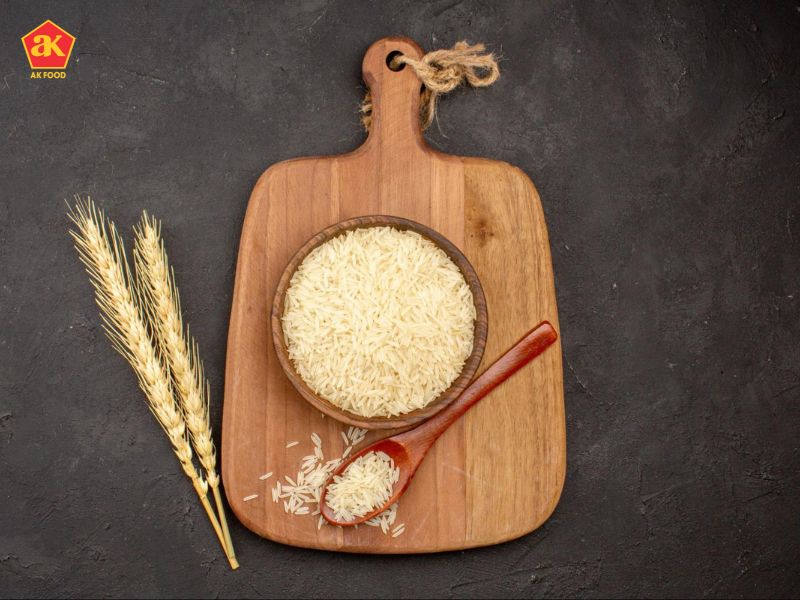
All in one, understanding the calories in uncooked white rice gives you a much clearer picture of what you’re eating and helps you make smarter choices throughout your day. White rice, when eaten in appropriate portions and paired with a variety of nutritious foods, is a versatile and valuable part of a healthy diet, providing quick energy, supporting digestion, and offering key vitamins and minerals.
For those who want the full nutritional benefits of rice in the most convenient form possible, AK FOOD‘s ready-to-eat fresh porridge products are a great place to start. Visit akfood.vn today to explore the full product range and discover how easy it is to enjoy a truly nutritious rice-based meal—any time of day, in just minutes.